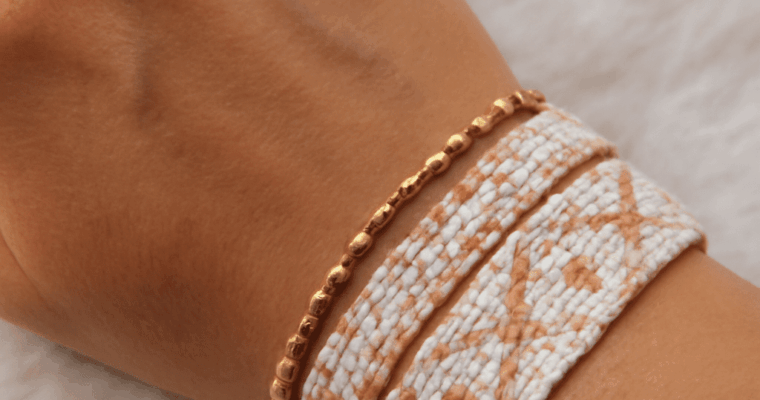
Bead Loom Designs: How to Design and Read a Chart
Bead loom designs become easier to read when warp count, bead columns, rows, repeats, and centerlines map clearly. Learn to chart three motifs, keep edges clean, and resize or recolor them.
Bead loom designs become easier to read when warp count, bead columns, rows, repeats, and centerlines map clearly. Learn to chart three motifs, keep edges clean, and resize or recolor them.
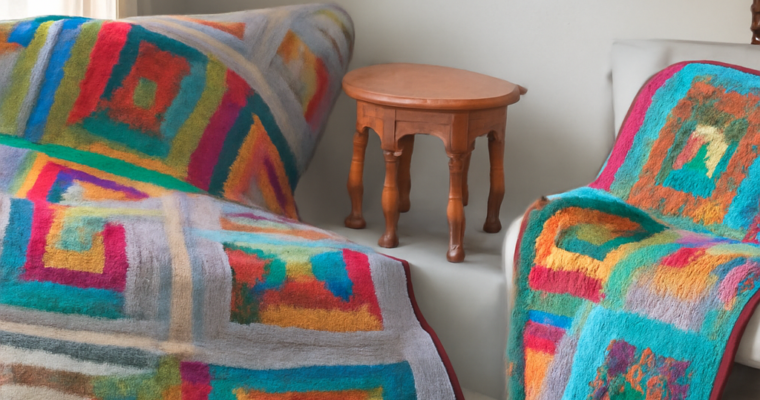
Learn the main types of quilt patterns, from repeated pieced blocks and appliqué to medallions, rows, whole-cloth work, and improvisation—and see how scale, color, and negative space shape each design.

Learn how to use blue color combinations with light, muted, saturated, and dark blues. Pair them with neutrals, complements, and warm accents. Balance undertone, value, saturation, and proportion.

Build Christmas color palettes with hue relationships, value contrast, neutrals, saturation, and one controlled accent. Explore five adaptable schemes for print, interiors, tables, and crafts.
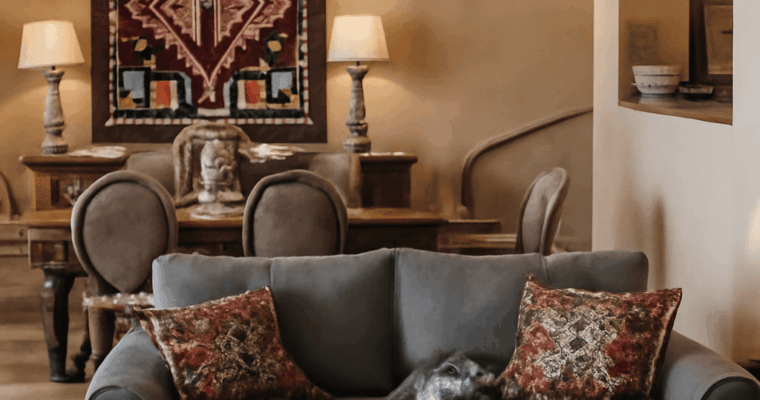
Explore southwestern decorating ideas through climate-responsive architecture, plaster, timber, clay, leather, wool, and desert color. Use substantial furniture, textiles, art, and craft to shape a contemporary room.
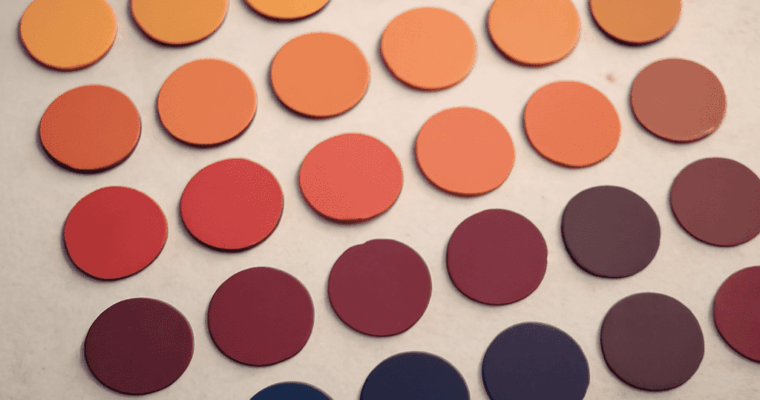
Nature colors become usable design palettes when you sample by role, then balance value, saturation, warmth, and neutrals. Learn a practical method with four sunset schemes.
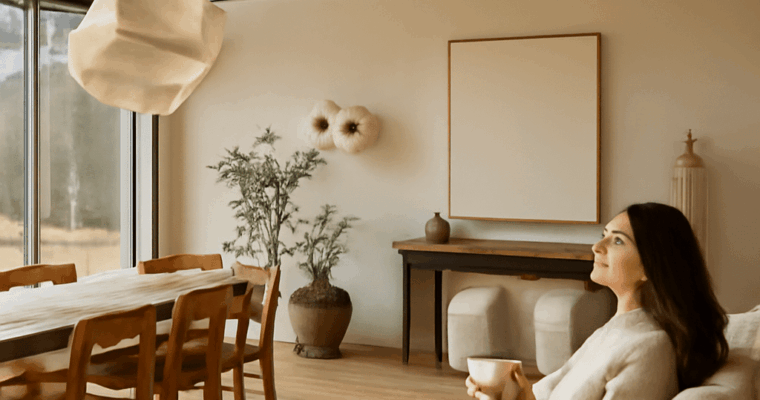
What’s my decorating style quiz? Score your choices for form, material, color, pattern, age, and visual density, then turn your strongest signals into a flexible palette, furniture, and object plan.
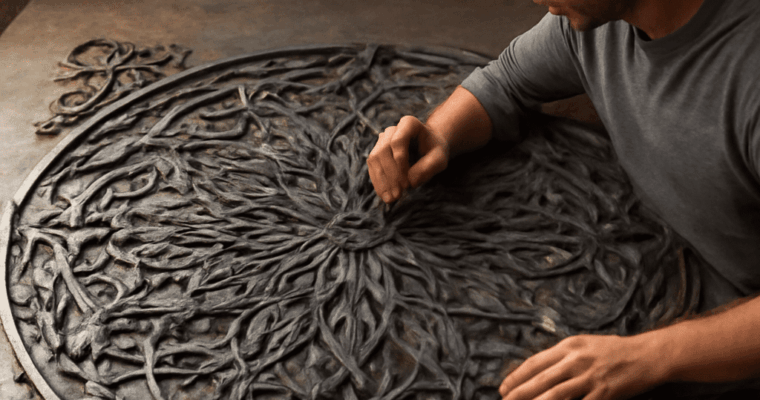
Stained glass designs become workable window patterns through measured drawing, clear lead lines, numbered pieces, balanced color, and checked support structure before glass is cut.

Explore craft hobbies by material, workspace, tools, mess, portability, and pace. Compare textiles, paper, clay, beads, leather, wood, and book arts to choose a satisfying beginner practice.