Exploring the Architectural Marvel of the Taj Mahal
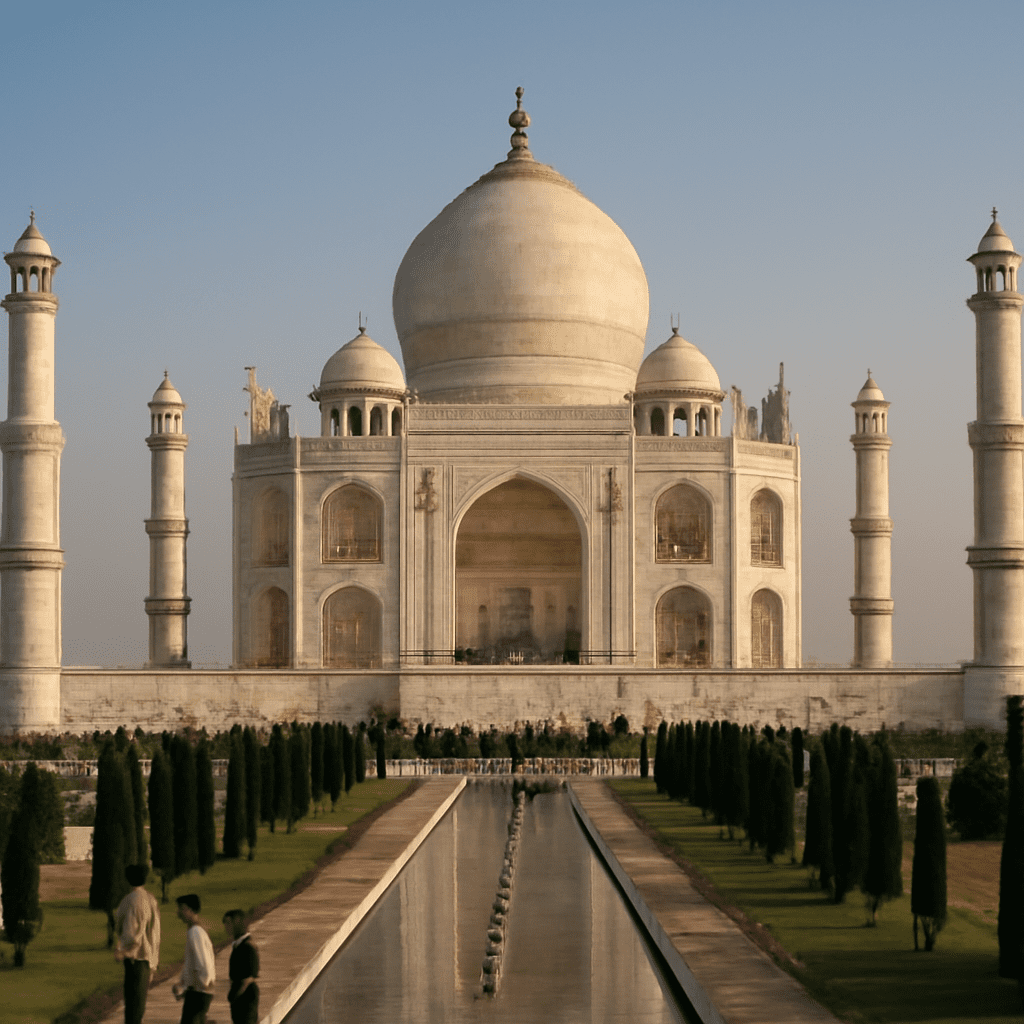
The Taj Mahal stands as a testament to the architectural ingenuity and artistic brilliance of the Mughal era. Located in Agra, India, this iconic mausoleum was commissioned in 1632 by the Mughal Emperor Shah Jahan in memory of his beloved wife Mumtaz Mahal. Its ethereal beauty and intricate design have captivated the hearts of millions, making it one of the most celebrated monuments in the world. In this article, we delve into the architectural splendor, historical significance, fascinating facts, and the ongoing preservation efforts for the Taj Mahal.
The Architectural Brilliance of the Taj Mahal
The Taj Mahal is a masterpiece of Mughal architecture, which is a synthesis of Indian, Persian, and Islamic styles. The monument is primarily constructed from white marble that reflects different hues throughout the day, creating a mesmerizing visual effect. The main structure is a symmetrical building with a large dome flanked by four minarets, each standing at approximately 40 meters high.
One of the most remarkable features of the Taj Mahal is its intricate marble inlay work, known as pietra dura. This technique involves the inlay of semi-precious stones into the marble, creating elaborate floral patterns and geometric designs. Additionally, the monument’s interior is adorned with calligraphy from the Quran, adding to the spiritual aura of the structure.
Historical Significance and Cultural Impact
The construction of the Taj Mahal began in 1632 and took about 22 years to complete, with over 20,000 artisans and craftsmen working on the project. It serves as a monumental symbol of love, as it was built for Mumtaz Mahal, who passed away during childbirth. Beyond its romantic allure, the Taj Mahal also represents the zenith of Mughal architecture and reflects the empire’s wealth and power during the 17th century.
Over the centuries, the Taj Mahal has influenced various aspects of art and architecture around the world. It is a UNESCO World Heritage Site and is considered one of the New Seven Wonders of the World, underscoring its global cultural impact. Its image has been immortalized in various forms of media, making it a universal symbol of beauty and love.
Fascinating Facts About the Taj Mahal
- The name “Taj Mahal” is believed to be a shortened version of Mumtaz Mahal’s name, meaning “Crown of the Palace.”
- The entire complex covers an area of approximately 42 acres, featuring a mosque, a guest house, and expansive gardens modeled after Persian-style charbagh.
- Legend has it that Shah Jahan intended to build a black marble mausoleum as his own tomb directly opposite the Taj Mahal across the Yamuna River, but this plan was never realized.
- The Taj Mahal’s white marble was sourced from Makrana, Rajasthan, while other materials were imported from across Asia, including jade from China and turquoise from Tibet.
- In 1983, the Taj Mahal was designated a UNESCO World Heritage Site for being “the jewel of Muslim art in India and one of the universally admired masterpieces of the world’s heritage.”
Preservation Efforts and Challenges
Over the years, the Taj Mahal has faced several preservation challenges, including pollution, which has led to the yellowing of its pristine white marble. Various measures have been implemented to combat these issues, such as restricting vehicular emissions around the area and conducting regular cleaning and maintenance of the structure.
In recent years, the Archaeological Survey of India (ASI) has been active in implementing conservation projects to preserve the monument’s structural integrity and aesthetic appeal. These efforts include mud-pack therapy to clean the marble and the careful restoration of its intricate inlay work.
Despite these efforts, the Taj Mahal continues to face threats from environmental factors and overcrowding by tourists. As a result, international and local organizations are working collaboratively to ensure this architectural marvel remains preserved for future generations to admire.