Different Mediums of Art: A Practical Guide to Materials and Forms
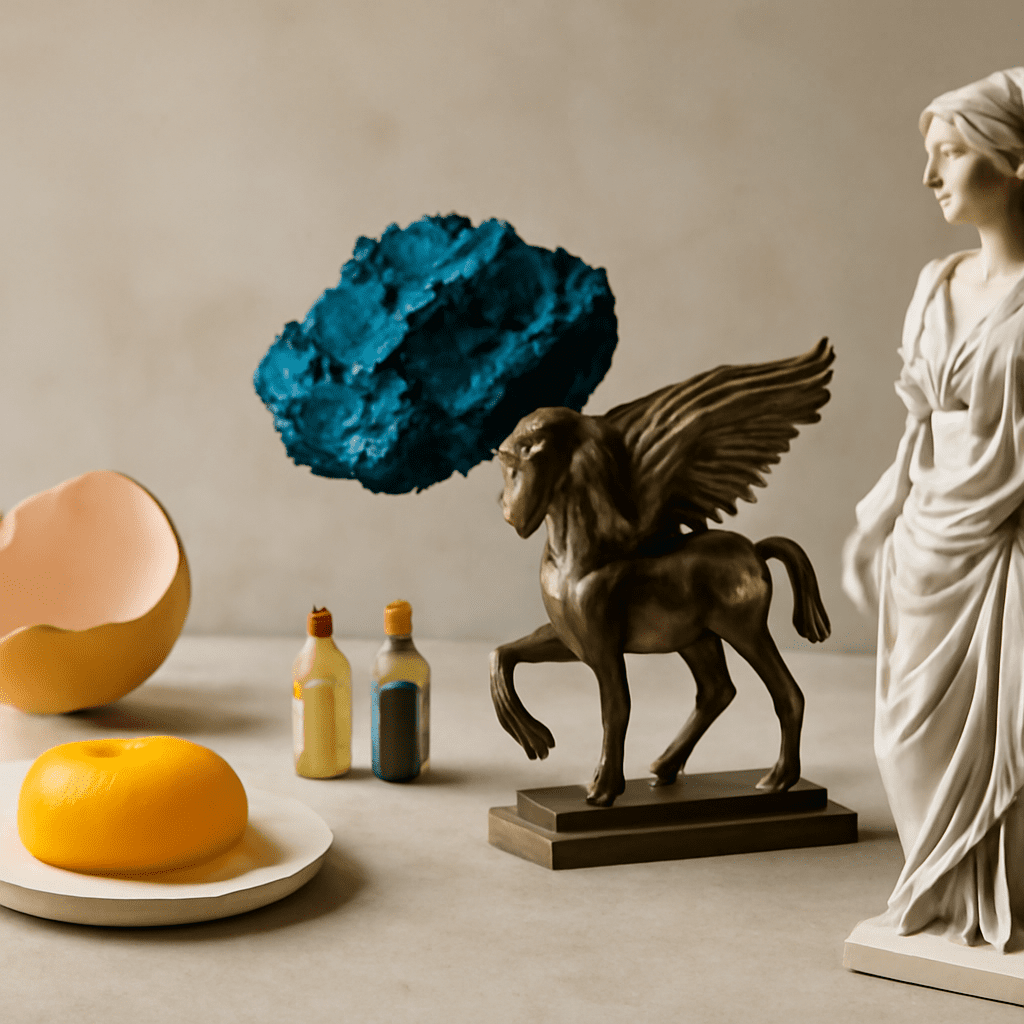
Different mediums of art describe the materials and processes artists use to make marks, images, objects, environments, or events. Drawing, painting, printmaking, photography, sculpture, ceramics, textiles, digital art, performance, and sound each create different possibilities for surface, scale, movement, and viewer involvement.
Knowing the difference between a medium and a technique makes it easier to discuss art accurately and choose materials for your own work. The most useful comparisons concern what the work is made from, how it is produced, whether it can be reproduced, and how an audience experiences it.
Different Mediums of Art: Medium, Material, Technique, Format, and Genre
A medium is the broad artistic means used to make a work. Oil painting, photography, sculpture, and performance are examples of media. The plural is often written as media, although “mediums” is also common when discussing different artistic practices.
- Material: The physical or digital substance used, such as graphite, oil paint, paper, clay, bronze, fabric, light, pixels, or recorded sound.
- Technique: The method used to manipulate a material or medium, such as blending, carving, casting, weaving, collage, welding, or editing.
- Format: The work’s presentation structure or physical arrangement, such as a portrait, mural, book, screen-based image, limited-edition print, video, or site-specific installation.
- Genre: A category based on subject, purpose, tradition, or style, such as landscape, portraiture, still life, abstraction, documentary, or historical art.
These terms overlap but are not interchangeable. An oil portrait uses oil paint as its medium and pigment suspended in oil as its material; brushwork is a technique, while portraiture is its genre. A mural is a format or presentation scale, not automatically a medium. A single artwork can therefore have one medium, several materials, multiple techniques, and a recognizable genre.
An Art Mediums List: Drawing, Painting, Printmaking, and Two-Dimensional Media
This art mediums list begins with practices in which marks, color, and images primarily occupy a flat surface. They may be displayed on paper, canvas, wood, walls, fabric, or a digital screen.
- Drawing: Graphite, charcoal, ink, pastel, colored pencil, and chalk create lines, hatching, smudges, and tonal fields. Drawing often preserves visible evidence of the artist’s hand and can be quick, portable, and inexpensive.
- Painting: Oil, acrylic, watercolor, gouache, encaustic, and tempera differ in drying time, transparency, texture, and color behavior. Thick oil or acrylic can create raised impasto, while watercolor generally allows the paper and underlayers to remain visible.
- Printmaking: Relief printing, intaglio, lithography, screen printing, monotype, and digital printing transfer an image through a prepared block, plate, stone, screen, or file. The process can produce multiples, although each print may vary through ink, pressure, registration, or hand finishing.
- Collage and assemblage: Paper, photographs, found materials, and printed fragments are cut, layered, attached, or arranged. Their physical edges and overlaps make construction part of the image.
- Mosaic and wall-based media: Glass, tile, stone, plaster, and paint can cover architectural surfaces. Their scale and location make the surrounding site part of the viewer’s experience.
Two-dimensional media are not limited to flat visual effects. Paper grain, woven supports, glossy varnish, scratched plates, and thick paint give a surface physical character. The support also affects scale: a small drawing invites close inspection, while a mural addresses the body from a distance and may be encountered while moving through a space.
Photography, Film, and Digital Artistic Mediums
Photography and film are lens-based media: they use a camera or optical system to record light, although artists may manipulate, stage, alter, or construct what is recorded. A photograph may be printed on paper, exposed onto film, displayed as a projection, or viewed as a digital file. The camera introduces framing, focus, timing, exposure, and selection as central artistic decisions.
- Photography: Still images can emphasize a decisive moment, carefully arranged subject, serial record, or altered reality. Prints have a physical surface and size, while online images depend on screens and viewing conditions.
- Film and video: Moving-image works combine frames, duration, sound, editing, performance, and projection or screen display. Meaning can develop through sequence, repetition, interruption, and the viewer’s time commitment.
- Digital art: Computer-generated images, digital painting, animation, 3D modeling, generative systems, interactive work, and virtual environments use code, software, data, or electronic display as part of the process.
- Computer-based photography and collage: Editing, compositing, retouching, and layering can transform captured images into hybrid constructions.
Digital works may be reproduced perfectly or generated differently each time, depending on their files, software, instructions, or interaction. Screen brightness, resolution, interface, and device size can alter the encounter. A projected animation therefore behaves differently from a fixed photographic print, even when both originate as image files.
Sculpture, Ceramics, Textiles, Installation, Performance, and Sound
Three-dimensional and time-based artistic mediums make space, bodily movement, material weight, or duration central to the work.
- Sculpture: Stone, wood, metal, plaster, resin, glass, found objects, and industrial materials can be carved, modeled, welded, cast, assembled, or digitally fabricated. Sculpture has volume, occupies space, and may be viewed from multiple angles.
- Ceramics: Clay is shaped by hand, wheel, mold, or construction, then dried and fired. Glazes add color, gloss, opacity, and surface variation, while firing can introduce irreversible changes and technical risks.
- Textiles: Fiber, thread, fabric, clothing, and soft materials can be woven, knitted, embroidered, dyed, quilted, printed, or stitched. Their flexibility, repetition, pattern, and tactile associations can carry social as well as visual meaning.
- Installation: An installation combines objects, materials, architecture, light, sound, or digital systems in a specific environment. The work may be impossible to separate from its location and may direct the audience along a particular path.
- Performance: The artist’s body, actions, objects, costumes, and audience interaction unfold in real time. Documentation may survive as photographs or video, but it is not identical to the live event.
- Sound: Voice, instruments, field recordings, electronics, silence, and spatial audio organize an experience through listening, rhythm, volume, and duration.
These practices often change how viewers encounter art. A sculpture invites physical navigation, an installation can surround or obstruct the audience, and performance may be temporary or unrepeatable. Sound and film require time, unlike a still image that can be scanned in an instant.
Mixed Media: Compare Surface, Scale, Reproducibility, Duration, and Viewer Experience
Mixed media combines two or more media or material processes, such as paint and collage, photography and text, ceramics and sound, or sculpture with video. When the combination is central, it is more accurate to describe the work as mixed media or interdisciplinary rather than forcing it into one category.
Compare media through these criteria:
- Surface: Ask whether the work is smooth, porous, reflective, layered, fragile, textured, or changeable. Materials such as canvas, clay, metal, fabric, and screens produce different visual and tactile effects.
- Scale: Consider whether the work is intimate, body-sized, architectural, or landscape-sized. Scale affects viewing distance, physical movement, and emotional force.
- Reproducibility: A painting or sculpture may be a singular object, while prints, photographs, recordings, and digital files can exist in editions or many copies. Reproduction does not necessarily remove artistic value; it changes the work’s relationship to originality and distribution.
- Duration: Still images can be viewed at the audience’s chosen pace. Film, sound, performance, and interactive work unfold over time and may require participation or sustained attention.
- Viewer experience: Note whether the audience mainly looks, listens, walks around, enters, touches, interacts, or shares space with the artist. The medium helps determine the work’s physical and perceptual demands.
Using these comparisons keeps the focus on what the medium makes possible: a particular surface, process, scale, lifespan, and relationship with its audience.