
How to Join Granny Squares: A Step-by-Step Guide
Learn how to join granny squares with this step-by-step guide. Explore various methods to crochet or sew granny squares together for beautiful projects.
Learn how to join granny squares with this step-by-step guide. Explore various methods to crochet or sew granny squares together for beautiful projects.
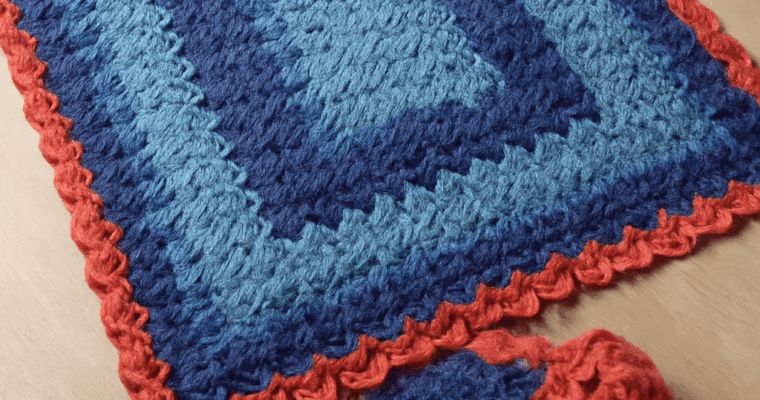
Learn how to crochet the elegant shell stitch with our detailed guide. Perfect for adding texture to your projects with easy-to-follow steps and tips.
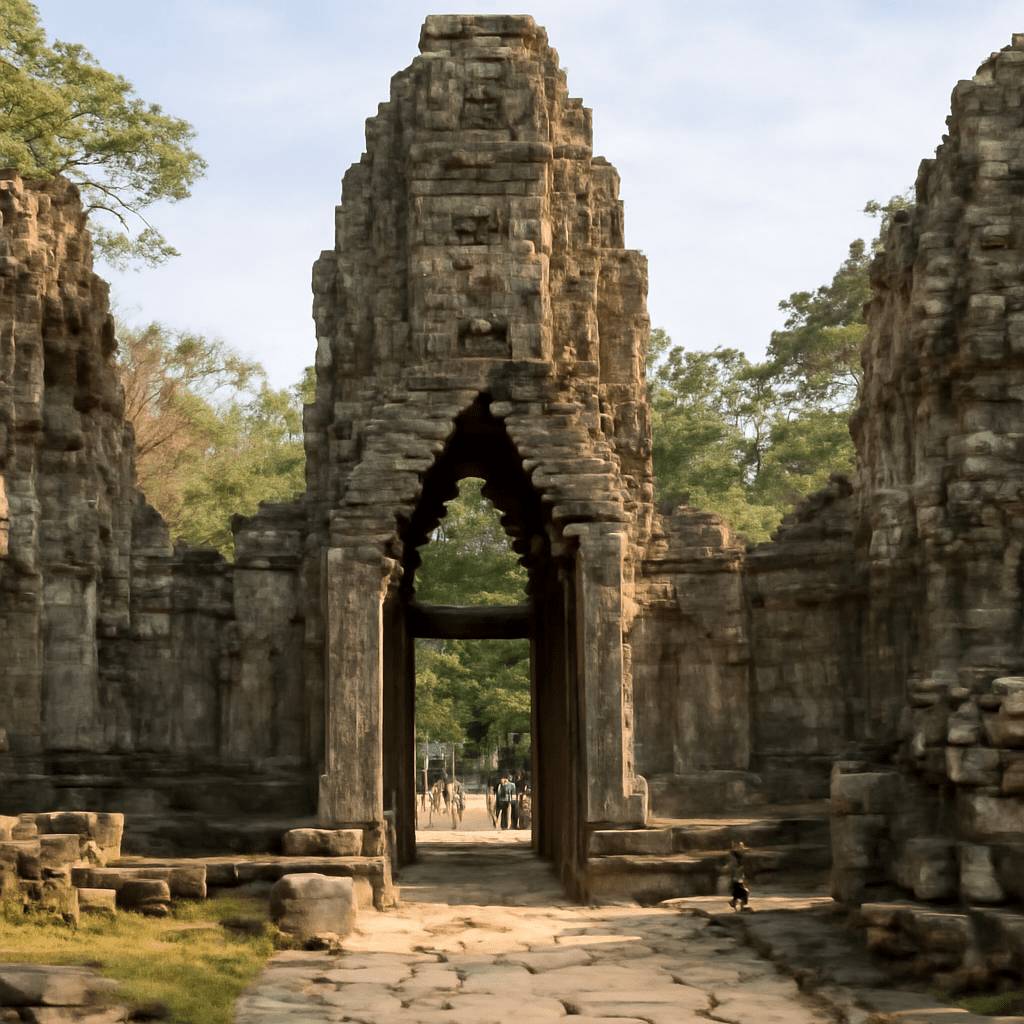
Cambodia is a country rich with history and culture, boasting some of the most awe-inspiring temples in the world. Among these, Angkor Wat stands as a crown jewel, attracting visitors from across the globe. Located in Siem Reap, Angkor Wat is not only a symbol of Cambodia’s architectural prowess but also a testament to its historical significance. This article delves into the wonders of the Cambodia temple, especially focusing on Siem Reap Angkor Wat, and provides essential tips for making the most of your visit.
Built in the early 12th century by King Suryavarman II, Angkor Wat was originally dedicated to the Hindu god Vishnu. The temple complex represents the peak of Khmer architecture and is the largest religious monument in the world. It later transformed into a Buddhist temple, reflecting the religious shift that occurred in the region. Angkor Wat symbolizes the unity of architecture and spirituality, embodying the Khmer Empire’s dedication to their gods and kings.
Cambodia’s temples are renowned for their intricate designs and grand scale. Angkor Wat, in particular, is a masterpiece of Khmer architecture. The complex showcases a harmonious blend of spirituality and symbolism, with its five towering spires representing the peaks of Mount Meru, the center of the universe in Hindu and Buddhist cosmology. The bas-reliefs and carvings display stories from Hindu mythology, offering insight into the artistic and religious practices of the time.
Beyond Angkor Wat, other significant temples in the Angkor Archaeological Park include Bayon, known for its enigmatic smiling faces, and Ta Prohm, famous for its intermingling of nature and architecture as tree roots envelop the ruins.
Siem Reap serves as the ideal base for exploring Angkor Wat and its surrounding temples. The city offers a mix of cultural experiences, from vibrant night markets to traditional Apsara dance performances. Visitors can also explore the Angkor National Museum, which provides context and history about the temples.
Siem Reap’s proximity to the temple complex makes it convenient for visitors to take guided tours or rent bicycles to explore the area. The city’s infrastructure is well-developed, catering to the needs of travelers with a range of accommodations and dining options.

Discover how to design eye-catching album covers using free tools. Learn about top album cover creators and tips for creating impactful designs.
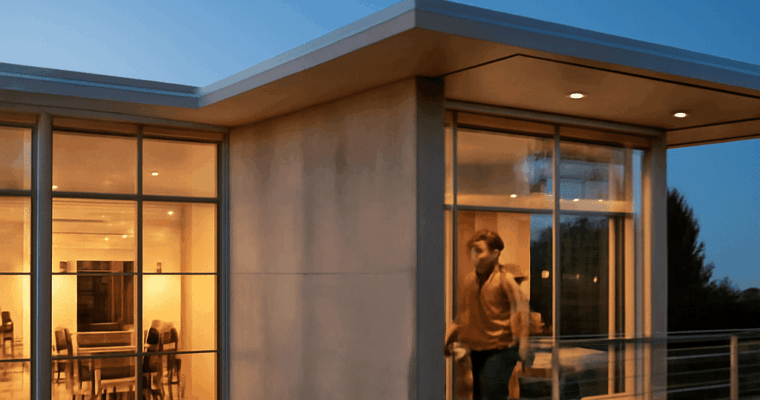
Explore the charm of modern style homes, featuring beautiful designs, small house innovations, and the latest in modern architecture trends.
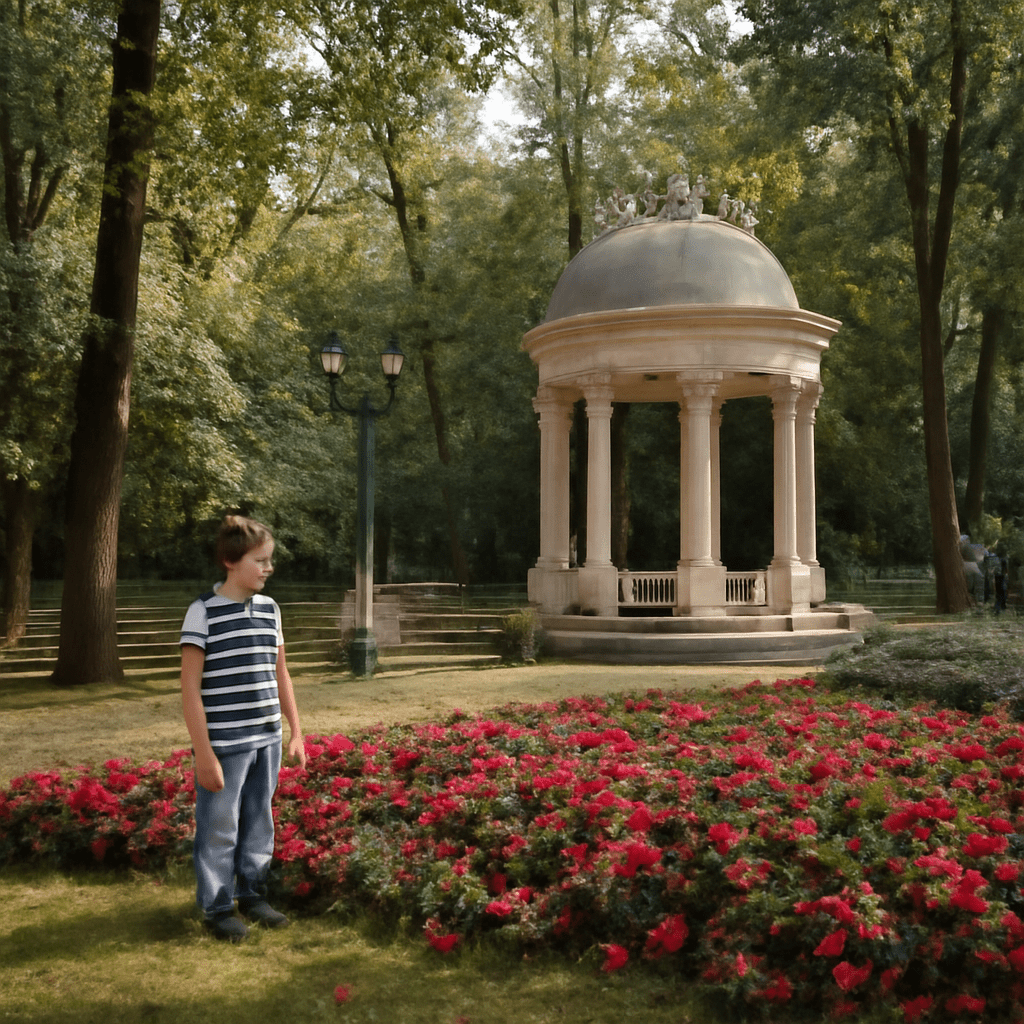
A blank wall is waiting above a sofa, and a family photograph suggests the subject for an original artwork. Before asking an artist to paint it, the buyer needs more than a favorite image: the size, mood, setting, and intended use will shape the conversation. A painting made on commission starts with those choices, then develops through an agreement with the artist.
Begin with the reason for the piece. A portrait intended as a private gift may call for a different level of likeness and a different deadline from an abstract work designed to bring movement to a quiet room. Describe the subject and the feeling sought, then identify which details are essential and where the artist has room to interpret.
The place where the artwork will live also matters. Measure the available wall in inches and consider nearby furniture, natural light, and the distance from which the picture will be viewed. A tall canvas can lead the eye upward; a wide one may relate more naturally to a long table. Avoid fixing a size solely from a photograph of the room, which can distort proportion.
To commission a painting with a clear purpose, distinguish the image dimensions from the space required for a frame. Ask whether the work will arrive framed, stretched, ready to hang, or as an unframed canvas or panel. Those decisions affect both appearance and the practical work needed after delivery.
Review portfolios for the qualities that matter to the project: treatment of faces, handling of light, color, scale, or the balance between detail and abstraction. Look across several works to understand the artist’s range, rather than selecting one image and expecting an exact repeat. A commissioned original is a collaboration built around that artist’s way of seeing.
When making an initial inquiry, describe the idea, approximate dimensions, desired timing, and budget range if one is available. Ask whether the artist accepts painting commissions, works in the preferred medium, and can meet the proposed schedule. A concise message allows the artist to say whether the project is a good fit before either side invests in a detailed design.
Reference images are useful when their role is clear. A personal photograph might establish a face or a place, while a portfolio image can show the kind of brushwork that attracted the buyer. Identify what matters in each reference and discuss permission to use material created by someone else. Ask for an original response rather than a copy of another artist’s work.
A useful brief connects practical constraints with a visual aim. For example:
A 24-by-30-inch landscape-oriented painting for a living room wall, based on a family-owned photograph of a coastal walk. Keep the two figures recognizable but small within the scene; aim for the soft late-afternoon light and a calm mood seen in the artist’s landscape portfolio. The frame should suit light oak furniture. Delivery is needed before a specified family celebration, with time allowed for packing and shipping.
That example gives the artist a subject, format, scale, mood, reference, setting, and deadline. It also leaves decisions about composition and brushwork open for discussion. A painting commission brief can include photographs of the wall and measurements, provided the buyer marks which details are fixed and which are preferences.
If the occasion or the subject is sensitive, say so early. A memorial portrait, for example, may depend on the expression in one particular photograph. The artist can then assess whether the available reference has enough detail and suggest alternatives before work begins.
Before the artist starts, put the agreed scope in writing. Record the subject, size, medium, support, framing, delivery destination, expected schedule, total price, payment milestones, and what happens if either party cancels. Discuss whether a deposit is required, when it is due, and under what conditions it can be returned. The terms should reflect the actual agreement, including any materials or work already committed.
Ask what the review process includes. An artist may offer a preliminary composition sketch, a color study, or progress photographs. Agree on how many changes are included, when feedback is due, and how substantial changes after approval affect cost or timing. A small adjustment to a sketch is different from changing the subject after layers of paint have dried.
A commissioned painting may also need drying, varnishing, framing, and careful packing before it can travel. Ask for a schedule that includes those stages and a plan for shipping costs, insurance, damage reporting, and handover. If the work is a gift, build a practical margin around the date rather than relying on an estimated painting completion alone.
Owning the physical work and owning reproduction rights are separate questions. In the United States, the Copyright Office explains that transfer of an artwork does not by itself transfer copyright. If the buyer wants prints, commercial use, or images for a website, the agreement should specify the permission needed. The artist and buyer can also discuss whether the artist may share images of the finished work, especially for a private portrait.
Someone ready to commission a painting can now assemble a short message: name the subject, give the approximate size and deadline, attach a small set of relevant references, and explain the desired mood and setting. Choose one artist whose portfolio fits, then send the brief with a request for availability and proposed terms.

Animal portraits in art reveal more than feathers and fur. Explore five works and discover how artists used scale, movement, and symbolism to bring them to life.

Explore beginner crochet patterns with these easy projects. Start your crochet journey with simple designs perfect for beginners. Get crafting today!
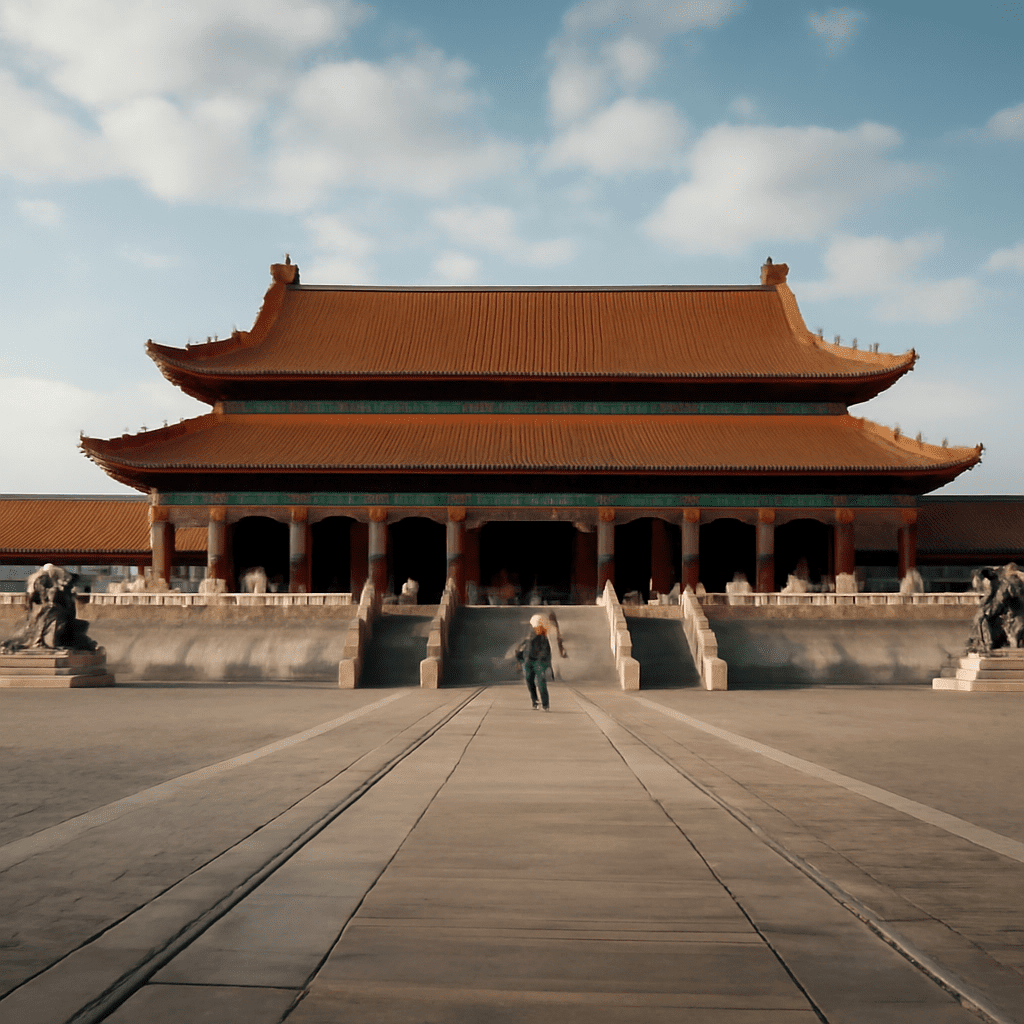
The Forbidden City in Beijing stands as a testament to China’s rich history and cultural heritage. As the largest imperial palace complex in the world, it once served as the political and ceremonial center of Chinese emperors. Today, the Forbidden City attracts millions of visitors eager to explore its grand palaces and intricate architecture.
Located in the heart of Beijing, the Forbidden City, also known as the Chinese Imperial Palace, was the home of emperors for nearly 500 years, from the Ming to the Qing dynasties. Spanning approximately 180 acres, the complex comprises over 980 buildings and is a UNESCO World Heritage Site. The name “Forbidden City” refers to its restricted access, where entry was traditionally limited to the emperor, his family, and select officials.
The Forbidden City served as the epicenter of Chinese governance and culture. Each emperor’s reign brought changes and additions to the palace, reflecting the evolving architectural styles and political priorities of the time. Beyond its political role, the palace was a symbol of imperial power, with its layout and design embodying Confucian ideals of harmony and hierarchy.
The Forbidden City remained the administrative heart of China until the fall of the Qing dynasty in 1912. Its historical significance extends beyond architecture; it houses countless artifacts, artworks, and manuscripts that provide insights into ancient Chinese civilization.
The architectural design of the Forbidden City in Beijing is characterized by its symmetry, balance, and use of traditional Chinese elements. The complex is surrounded by a massive defensive wall and a moat, emphasizing its inaccessibility and the power it represented.
Key structures include the Hall of Supreme Harmony, the largest wooden structure within the complex, and the Palace of Heavenly Purity, which served as the emperor’s residence. These buildings feature ornate carvings, vibrant colors, and meticulous details that showcase the advanced craftsmanship of the time.
The use of yellow tiles on the roofs is particularly notable, as yellow was the color of the emperor. The layout reflects the cosmological beliefs of ancient Chinese society, with the north-south axis symbolizing the emperor’s alignment with the heavens.
Preserving the Forbidden City is crucial for maintaining China’s cultural heritage. In recent years, extensive restoration efforts have been undertaken to repair and maintain the structures, ensuring their survival for future generations.
The Palace Museum, located within the Forbidden City, plays a vital role in these efforts. It not only serves as a repository for historical artifacts but also engages in research and educational activities to promote understanding of China’s imperial past.
Modern technology has also been employed in preservation, including digital mapping and virtual reality tours, which allow global audiences to experience the grandeur of the Forbidden City without physical presence.
The Forbidden City remains a vital link to China’s imperial history, offering a glimpse into the opulence and complexity of a bygone era. As a focal point of tourism and scholarly interest, its legacy continues to influence Chinese culture and identity.

Discover how to effectively use the skin color palette in graphic design. Learn about its importance, applications, and tips for creating inclusive designs.