
Author: Emily Griffith-Smith

Caring for Your Umbrella Tree: A Guide to Dwarf Schefflera

Caring for Your Umbrella Tree: A Guide to Dwarf Schefflera

Learn how to care for your umbrella tree, also known as dwarf schefflera, with tips on sunlight, watering, pruning, and more to keep it thriving indoors.

Henry Ford Hospital, Frida Kahlo, and a Landscape of Loss

Henry Ford Hospital, Frida Kahlo, and a Landscape of Loss

Kahlo’s Detroit hospital painting turns a personal loss into a striking image. Explore its floating objects, setting, and documented context with care.

Exploring Online Graphic Design Degree Programs

Exploring Online Graphic Design Degree Programs

In today’s digital age, pursuing a graphic design degree online offers a flexible and accessible path to honing your creative skills. Whether you’re looking to advance your career or start fresh in the design world, online programs provide the opportunity to learn from top institutions without the geographic constraints.

Why Choose an Online Graphic Design Degree?

Opting for an online graphic design degree comes with numerous benefits. Flexibility is a key advantage, allowing students to balance their studies with work or personal commitments. Online programs often provide access to a wide range of resources and tools, giving students the ability to learn at their own pace and from anywhere in the world.

Moreover, online graphic design programs frequently offer diverse curriculums that cover both fundamental and advanced design skills. From mastering software like Adobe Creative Suite to developing a strong portfolio, students can gain comprehensive knowledge that is crucial for a successful career in graphic design.

Top Online Graphic Design Schools

When considering where to pursue your graphic design degree online, several schools stand out for their quality and reputation:

  • Savannah College of Art and Design (SCAD): Known for its robust online platform, SCAD offers a Bachelor of Arts in Graphic Design that emphasizes both traditional and digital media.
  • Liberty University: Provides a flexible online Bachelor of Fine Arts in Graphic Design, focusing on creative problem-solving and visual communication.
  • University of Florida: Offers an online Master of Arts in Art Education with a specialization in graphic design, ideal for those looking to advance their teaching careers.

These schools are renowned for their comprehensive curriculums and experienced faculty, making them excellent choices for aspiring graphic designers.

Key Features of Online Graphic Design Programs

The best online graphic design programs share several key features that contribute to the success of their students:

  • Interactive Learning Platforms: Many programs utilize platforms that facilitate interaction through discussion forums, video lectures, and real-time feedback from instructors.
  • Portfolio Development: Building a strong portfolio is critical in graphic design. Online programs often incorporate portfolio reviews and projects to help students showcase their work.
  • Industry-Relevant Curriculum: Courses typically cover essential topics such as typography, branding, user experience (UX) design, and digital marketing, ensuring students are prepared for the workforce.

How to Choose the Right Program for You

Selecting the right online graphic design program involves considering several factors:

  • Accreditation: Ensure the program is accredited, which validates the quality of education and can impact future employment opportunities.
  • Cost and Financial Aid: Compare tuition fees and explore financial aid options to find a program that fits your budget.
  • Specializations: Some programs offer specializations in areas like web design, motion graphics, or illustration, allowing you to tailor your education to your career goals.
  • Alumni Network and Career Support: Programs with strong alumni networks and career services can provide valuable connections and guidance as you enter the job market.

By carefully evaluating these aspects, you can find an online graphic design school that aligns with your professional aspirations and personal needs.
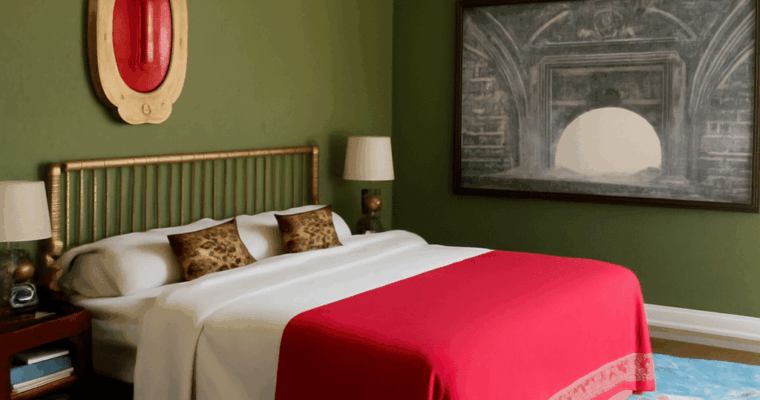
Colors That Go With Olive Green: A Guide for Designers

Colors That Go With Olive Green: A Guide for Designers

Explore the best colors that complement olive green in graphic design. Discover stylish pairings for impactful designs.
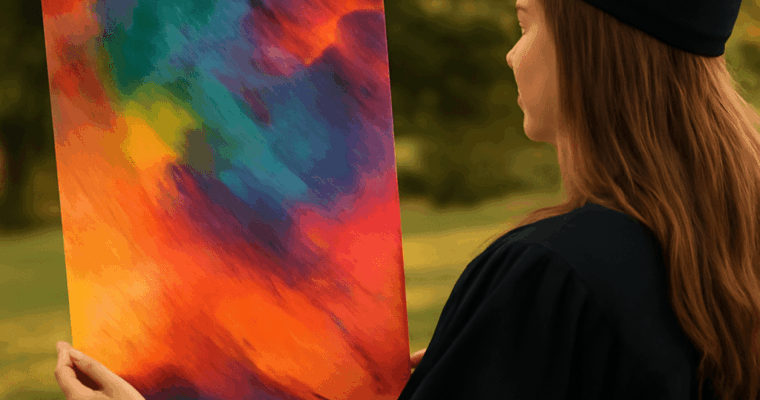
Creative Yearbook Covers: Design Inspiration and Ideas

Creative Yearbook Covers: Design Inspiration and Ideas

Discover innovative yearbook cover designs. Explore trends, materials, and tips to create unique and memorable covers for your school yearbook.
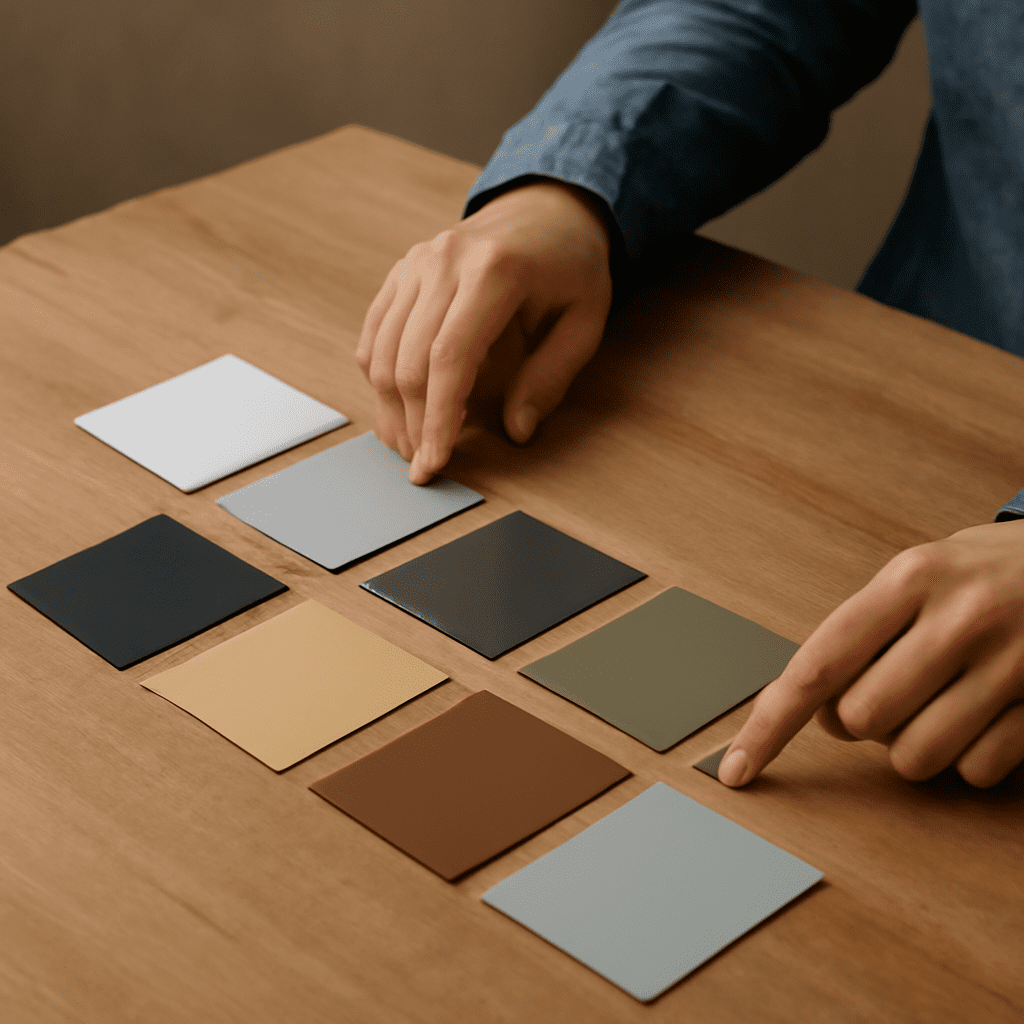
Colors That Look Good Together: A Guide for Designers

Colors That Look Good Together: A Guide for Designers

Creating visually appealing designs requires a solid understanding of how colors interact. Knowing colors that look good together is crucial for designers aiming to evoke specific emotions and aesthetics. This guide will delve into the principles and popular combinations that can enhance your design projects.

Understanding Color Harmony

Color harmony refers to the pleasing arrangement of colors. It’s essential in design because harmonious colors can create balance and draw attention. The basic concept revolves around the color wheel, where relationships between colors are defined by their position. Complementary, analogous, and triadic are some of the common schemes used to achieve harmony. These combinations help in establishing a mood or tone for the design and ensure that the colors work together rather than clash.

Principles of Color Pairing

Effective color pairing relies on understanding the following principles:

  • Contrast: High contrast combinations, such as black and white, create a striking effect, while low contrast combinations, like pastel shades, offer a softer look.
  • Temperature: Warm colors (reds, oranges, yellows) contrast with cool colors (blues, greens, purples) to create visual interest.
  • Balance: Ensure an equal weight of colors to maintain visual stability. Overuse of a single color can overwhelm.
  • Context: Consider the cultural and psychological associations of colors. For example, red can symbolize passion or danger depending on context.

Popular Color Combinations

Designers often rely on tried-and-true combinations. Here are some good colors that go together:

  • Blue and Orange: This complementary pair is energetic and vibrant, suitable for modern designs.
  • Green and Pink: Offering a fresh and playful look, this combination is popular in fashion and lifestyle brands.
  • Black and Gold: Timeless and elegant, this pair is perfect for luxury and high-end products.
  • Purple and Yellow: A striking contrast that exudes creativity and boldness.
  • Gray and White: Clean and sophisticated, often used in minimalistic designs.

Tips for Creating Your Own Color Schemes

While popular combinations are a great starting point, creating a unique color scheme can set your design apart. Here are some tips:

  • Start with a Base Color: Choose a dominant color and build around it using complementary or analogous colors.
  • Use Color Tools: Utilize online tools like Adobe Color or Coolors.co to experiment with different palettes.
  • Consider the Emotion: Think about the emotion or message you want to convey and choose colors that align with those feelings.
  • Test and Adjust: Always test your color combinations in different contexts to see how they perform under varying conditions.

Mastering the art of color pairing not only enhances the visual appeal of your designs but also ensures that your message is communicated effectively. By understanding and applying the principles outlined in this guide, you can confidently select colors that look good together and elevate your creative projects.

The Best Fonts Ever: A Guide to Timeless Typography

The Best Fonts Ever: A Guide to Timeless Typography

Explore the best fonts ever used in graphic design. Learn what makes a font good and how to choose the right typeface for your projects.

Lithograph Definition: How an Image Moves From Stone to Paper

Lithograph Definition: How an Image Moves From Stone to Paper

What is a lithographic print? Follow an image from stone or plate to paper, and learn how color, original prints, and reproductions differ in practice.
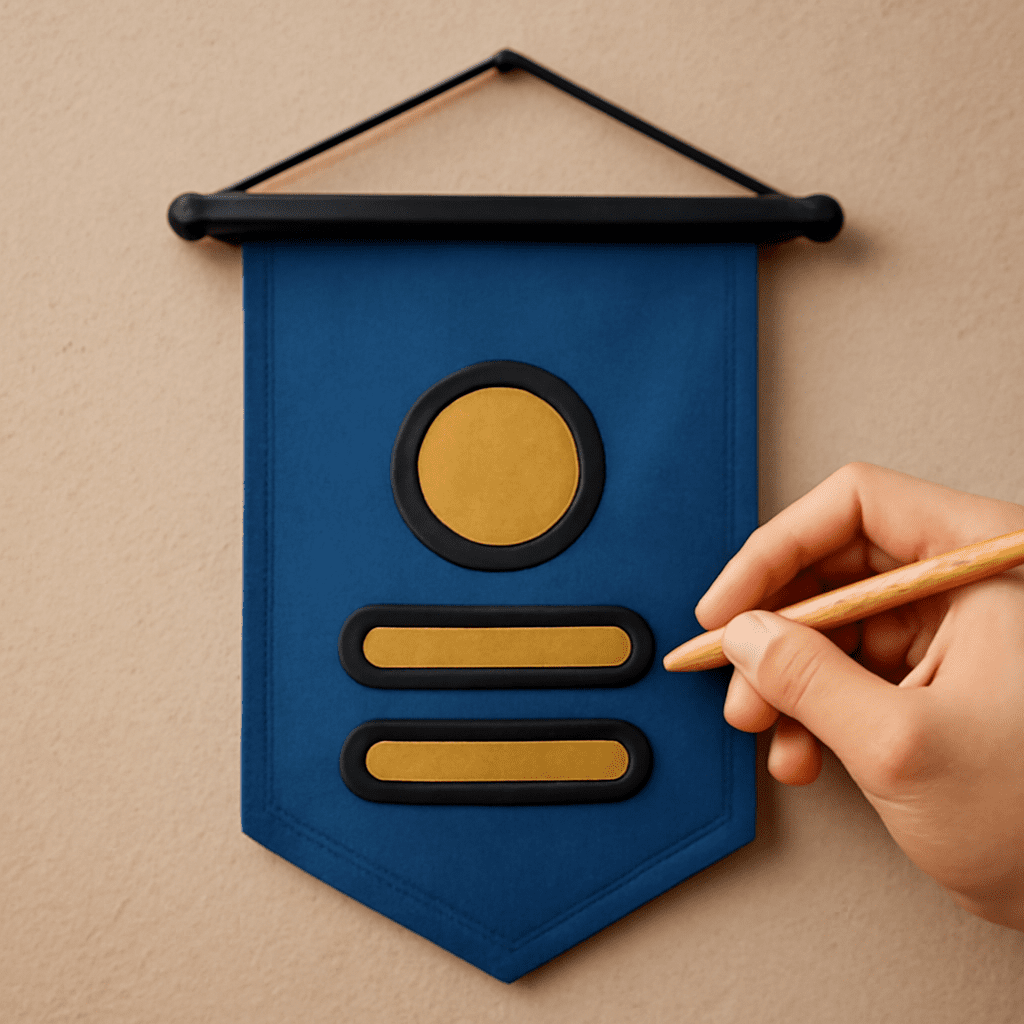
How to Design Your Own Fantasy Flag

How to Design Your Own Fantasy Flag

Creating a fantasy flag is an exciting way to express your creativity and bring your unique vision to life. Whether you’re designing for a fictional world or personal enjoyment, understanding the basics of flag design can make all the difference. This guide will walk you through the principles of flag design, the materials you’ll need, and a step-by-step process on how to make your own flag.

Understanding Flag Design Principles

Flag design is both an art and a science. Successful flags are simple, memorable, and convey a clear message. Here are some key principles to consider:

  • Simplicity: Flags should be easily recognizable from a distance. Limit the number of elements and avoid complex details.
  • Meaningful Symbols: Choose symbols that represent the values or stories you want your flag to convey.
  • Color Usage: Use a limited palette of two to three colors for visual impact. Colors should contrast well to ensure visibility.
  • Proportions: Maintain standard flag proportions, typically a 2:3 ratio, to ensure balance.

Materials Needed to Make Your Own Flag

Before you start, gather the necessary materials. Here’s what you’ll need:

  • Fabric: Cotton or polyester are popular choices for durability and ease of use.
  • Paint or Fabric Markers: For adding colors and details to your flag.
  • Sewing Kit: Thread, needles, and a sewing machine or hand-sewing skills.
  • Flagpole or Stick: To display your finished flag.
  • Sketching Tools: Pencils, paper, and erasers for planning your design.

Step-by-Step Guide to Creating a Fantasy Flag

Choosing Your Colors and Symbols

Begin by choosing colors and symbols that resonate with the theme of your fantasy flag. Consider what emotions or stories you want to convey. Research color meanings and cultural significance to enhance your design.

Sketching Your Design

Use pencils and paper to sketch your ideas. Start with rough drafts and refine your design as you go. Consider how each element interacts with others and adjust for balance and clarity.

Finalizing and Creating Your Flag

  1. Prepare the Fabric: Cut your fabric to the desired size, keeping in mind the flag proportions.
  2. Transfer the Design: Use fabric markers or paint to outline the design on the fabric. Ensure lines are clear and colors are vibrant.
  3. Sew the Edges: Hem the edges to prevent fraying and add durability.
  4. Attach to the Pole: Sew a sleeve on one side to insert the flagpole or use grommets for easy attachment.
  5. Display Proudly: Once complete, display your fantasy flag in your chosen location!

Inspiration for Your Fantasy Flag

Looking for inspiration? Consider these ideas:

  • Mythical Creatures: Incorporate dragons, unicorns, or other magical beings to symbolize power and mystery.
  • Historical Influence: Draw from historical flags and add a fantasy twist for a timeless feel.
  • Natural Elements: Use symbols like mountains, rivers, or celestial bodies to connect with nature.
  • Cultural Motifs: Explore motifs from different cultures to enrich your design with global influences.

Creating a fantasy flag is not just an artistic endeavor but a chance to tell a story through design. With your completed flag, you can proudly showcase your creativity and imagination.
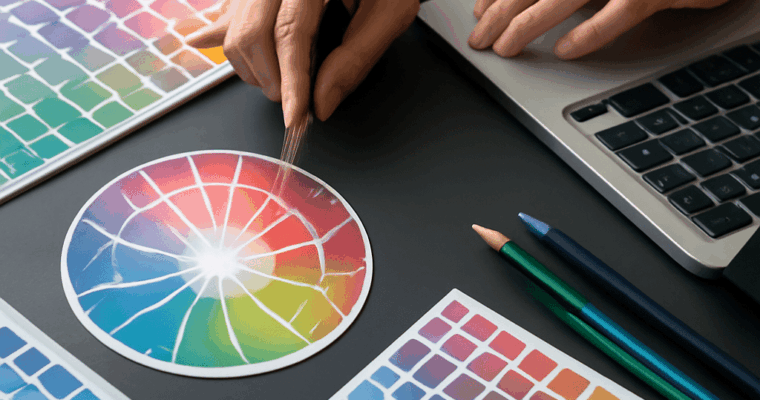
Discover the Best Graphic Design Software for 2023

Discover the Best Graphic Design Software for 2023

Explore the leading graphic design software of 2023. Discover tools that boost creativity and productivity for designers in fashion and design culture.