
French Architecture: A Guide to Reading Buildings Across Time
Explore the architecture of France through cathedrals, palaces and modern houses, and learn how their forms reveal different periods, places and design ideas.
Explore the architecture of France through cathedrals, palaces and modern houses, and learn how their forms reveal different periods, places and design ideas.

Paint a landscape in watercolor with a clear plan for light, washes, and edges. Follow a hill-and-path study and discover how to give the scene convincing depth.

The Trevi Fountain is one of Rome’s most iconic landmarks, drawing visitors from around the world to marvel at its beauty and grandeur. Situated in the heart of Rome, this stunning masterpiece is not just a fountain; it is a symbol of the city’s rich history and artistic heritage. From its historical significance to its architectural splendor, the Trevi Fountain captivates all who encounter it.
The Trevi Fountain, known in Italian as “Fontana di Trevi,” has a deep-rooted historical significance that dates back to ancient Rome. Originally built as a terminal point for the Aqua Virgo aqueduct in 19 BC, it was a crucial water source for the city. The current Baroque version, completed in 1762 by architect Nicola Salvi and later finished by Giuseppe Pannini, stands as a testament to Rome’s evolving artistic and cultural landscape.
The architecture of the Trevi Fountain is a stunning blend of sculpture and design, making it an unparalleled example of Baroque artistry. The central figure is Neptune, the god of the sea, flanked by allegorical figures representing Abundance and Salubrity. The fountain’s dramatic composition and the use of natural rock formations create a sense of movement, capturing the dynamic essence of water cascading into the pool below. This intricate design highlights the skill and vision of its creators, making it a marvel of engineering and artistry.
The Trevi Fountain is steeped in legends and traditions that enhance its allure. The most popular tradition is the coin toss. Legend has it that tossing a coin into the fountain ensures a return to Rome. It is estimated that about 3,000 euros are thrown into the fountain each day. This ritual not only adds to the fountain’s mystique but also contributes to charitable causes, as the coins are collected and used to support the needy in Rome.
Visiting the Trevi Fountain is a memorable experience, but there are a few tips that can enhance your visit. The fountain is most spectacular in the early morning or late evening when the crowds are thinner, allowing you to enjoy its beauty in a more peaceful setting. It is also beautifully illuminated at night, creating a magical atmosphere. Remember to approach from the nearby Piazza di Trevi to fully appreciate the fountain’s grandeur as it unfolds before you.
Whether you are exploring the historical aspects, marveling at the intricate architecture, participating in the traditional coin toss, or simply soaking in the ambiance, the Trevi Fountain remains an essential part of any visit to Rome. Its enduring charm and cultural significance continue to captivate travelers, ensuring its status as a must-see destination in Italy.

Discover cabin interior design styles and ideas to transform your space into a cozy retreat. Learn about rustic, modern, and eclectic cabin styles.

Discover the charm of bungalow homes with insights into their design features and architectural appeal. Learn how bungalow house design creates cozy, functional spaces.
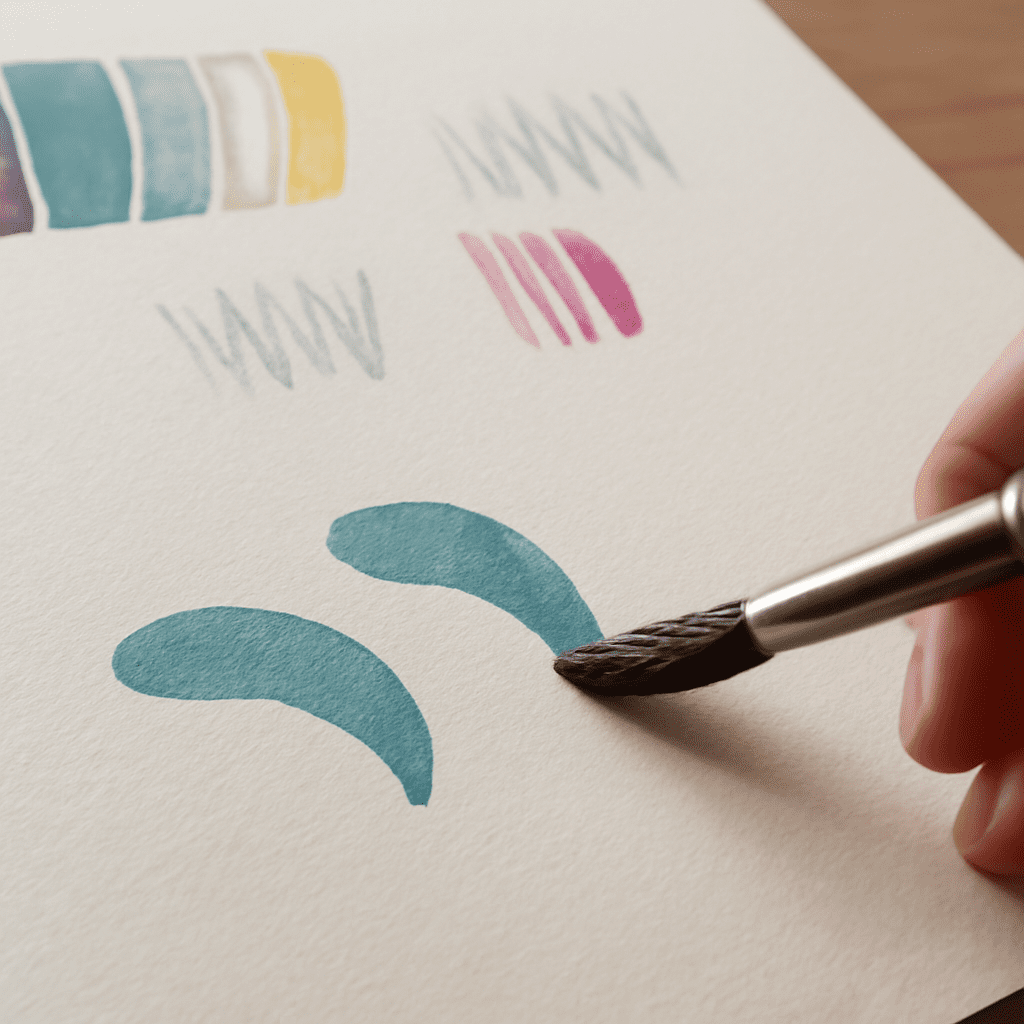
A brush loaded with acrylic can make a narrow line, a broad ribbon, or a broken trail of color without a change of paint. Learning how painted marks respond to the hand begins with a few side-by-side tests, where the movement of the brush is easy to see.
This exercise uses acrylic paint on acrylic paper and compares strokes made with a paintbrush under controlled conditions. Each row changes one feature at a time, turning a sheet of marks into a practical reference for a later painting.
Choose an 8-by-10-inch sheet of acrylic paper, a medium flat synthetic brush, a pointed round synthetic brush, one color of heavy-body acrylic, a palette, a water container, and a cloth. A mid-to-dark color makes the differences in coverage easy to see against white paper. Tape the sheet to a board if it curls, and draw four loose horizontal bands in pencil for pressure, direction, paint load, and brush shape.
Put a small amount of paint on the palette. Dampen the flat brush, blot it on the cloth so it is moist rather than dripping, and pick up enough paint to coat the tips. For a fair comparison, begin each pair of marks with a similarly loaded brush and use roughly the same distance across the paper. Leave space between marks so their edges remain visible.
In the first band, place the narrow edge of the flat brush on the sheet and pull it steadily for about three inches with light pressure. Reload, then repeat beside it while pressing enough to spread the bristles. The second mark should be wider, with more of the brush in contact with the paper. Ease off at the end of a third mark and watch the width narrow as the bristles lift.
These paint strokes are a simple way to see pressure as a gradual control. A leaf, for example, can begin at a point, broaden as the brush presses down, and taper as it rises. If the bristles splay so far that the edge becomes ragged, reduce pressure and keep the handle at a comfortable angle.
Reload the flat brush and draw one horizontal mark with its broad face against the paper. Turn it a quarter turn and make a second mark using the narrow edge. The first produces a broad band; the second makes a slimmer line from the same tool. Both paint strokes reveal the width of the edge that touches the paper. Keep the paint load and pressure similar so the difference in the paint brush strokes comes mainly from the brush’s orientation.
Next, draw a slow curve, rotating the handle gently as it travels. Where the face turns toward the direction of travel, the band changes width; where the edge leads, it narrows. Try a second curve without rotating the brush. Comparing the two shows how the direction of a stroke and the angle of its bristles can shape a ribbon, stem, or fold.
A field of painted brush marks can also suggest movement. Short slanting marks may describe grass leaning in wind, while horizontal marks can give a surface a calmer rhythm. Their meaning comes from their arrangement as well as their individual shapes.
In the third band, load the flat brush generously and make a stroke across the paper. It should leave a continuous band, perhaps with shallow ridges where the bristles have traveled. Without reloading, repeat alongside it. As the brush runs low, more of the paper shows through and the mark may break into a textured trail.
For another pair of brush strokes in paint, blot a lightly loaded brush on the cloth before pulling it across the sheet. Compare its broken edge with the fuller mark. A dry-looking trace can suggest the grain of a weathered board or a patch of rough ground; a loaded mark is useful where a shape needs solid color. If the paint clumps on the brush or becomes difficult to move, rinse promptly and reload with fresh paint.
Rinse the flat brush before paint dries in it, then repeat a few tests with the pointed round. Its tip can make a fine line; pressing gently brings more bristles onto the page and widens the mark. Compare those acrylic brush strokes with the square-ended bands from the flat brush. The choice of shape changes the edge before any detail is added.
To put the brush stroke techniques to work, make a small study in the last open area: use the flat brush for a broad wall, its edge for a narrow frame, and the round brush for a curved stem in front. The painting strokes can remain visible as evidence of the direction and pressure used. A small exercise in techniques for brush strokes gives each choice a purpose within one image.
Step back and look for unintended gaps in a solid shape or a line that becomes wider than planned. Gaps often signal too little paint on the brush; reload and make a fresh, continuous pass. If the line spreads, lighten the pressure or turn the flat brush onto its narrow edge, then test the adjustment in a clear space before returning to the study. Rinse both brushes with water and clean them before the acrylic dries.

Discover architectural parti diagrams through clear examples of courtyards, routes and cores, then learn to sketch and test a spatial idea of your own.

Explore the pros and cons of mounting a TV over a fireplace. Learn about aesthetics, installation tips, and potential drawbacks to make an informed decision.
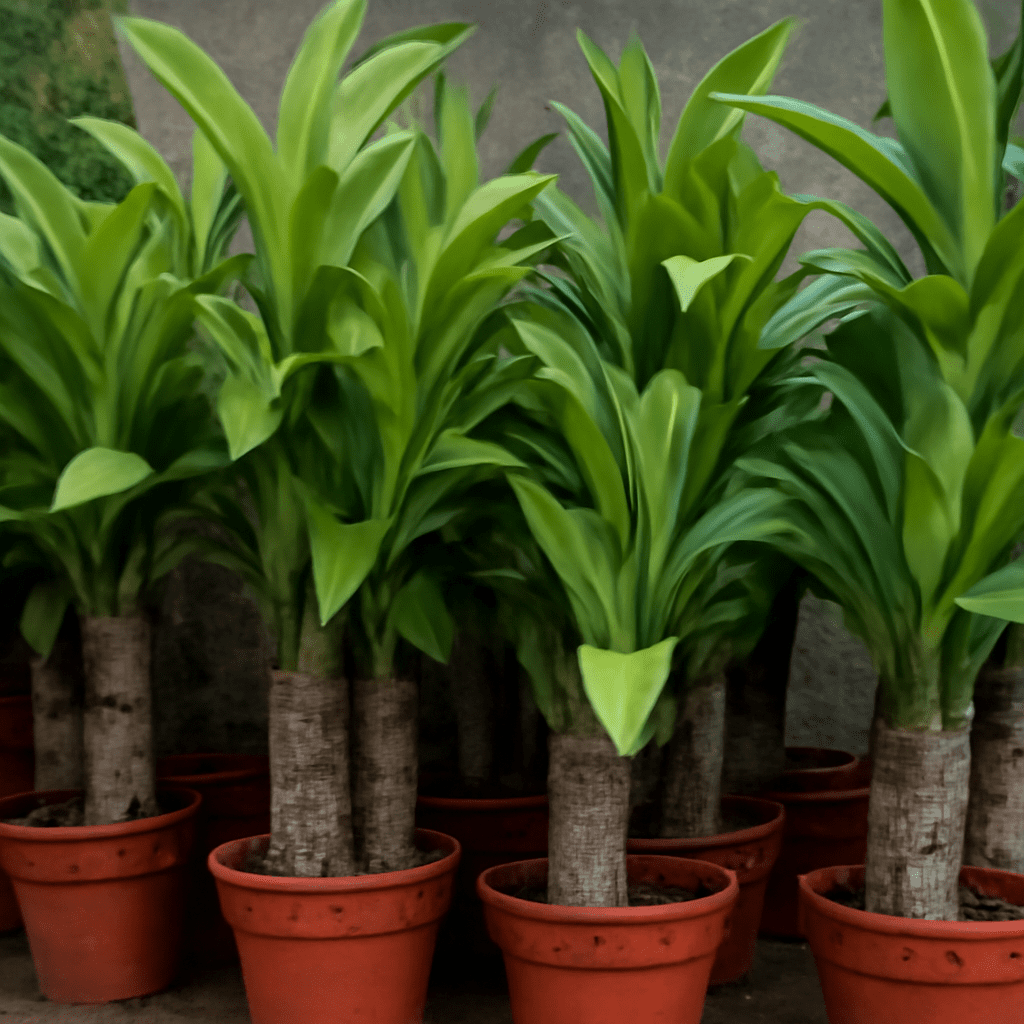
Dracaena Deremensis, commonly known as Cornstalk Dracaena, is a popular houseplant admired for its striking foliage and air-purifying qualities. Easy to care for and adaptable, this plant is an excellent choice for both novice and experienced gardeners. In this guide, we’ll explore everything you need to know about growing and maintaining Dracaena Deremensis in your home.
Dracaena Deremensis is part of the Dracaena family, a group of plants known for their resilience and beauty. Often referred to as Cornstalk Dracaena due to its cane-like stems, this plant is native to tropical regions of Africa. It features long, narrow leaves that can vary in color, including green, yellow, and white stripes.
The Dracaena Fragrans, a close relative, is also popular and shares many care requirements with the Dracaena Deremensis. However, the Deremensis variety is particularly favored for its more compact form and diverse leaf patterns.
To ensure your Dracaena Deremensis thrives, it’s essential to provide the right environment. Here are the key factors to consider:
Proper watering and maintenance are crucial for Dracaena Deremensis. Follow these tips to keep your plant healthy:
While Dracaena Deremensis is hardy, it can experience some common problems. Here’s how to address them:
By providing the right care and attention, Dracaena Deremensis can be a beautiful and long-lasting addition to your indoor plant collection. Follow these guidelines to enjoy vibrant foliage and a healthier home environment.

Discover different sewing needle sizes and types with our comprehensive guide, including a detailed needle size chart for your sewing projects.