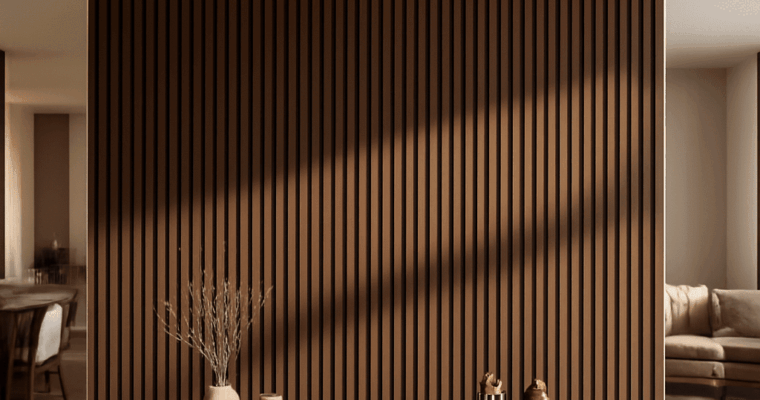
Transform Your Space with Accent Wall Panels
Discover how accent wall panels can elevate your interior decor. Explore wood panel wall decor ideas and learn about decorative panels for a stylish home.
Discover how accent wall panels can elevate your interior decor. Explore wood panel wall decor ideas and learn about decorative panels for a stylish home.

Discover the unique design, benefits, and challenges of dome houses. Uncover why this architectural style is gaining popularity in sustainable living.

Tie dye, renowned for its vibrant colors and unique designs, offers endless possibilities for creativity and self-expression. Whether you’re a seasoned pro or a beginner looking to explore this artistic medium, understanding the different tie dye techniques, patterns, and ideas can elevate your projects to new heights. This guide will walk you through how to tie dye patterns, provide you with fresh tie dye ideas, and introduce various types of tie dye to inspire your creations.
Tie dye involves folding, twisting, pleating, or crumpling fabric and binding it with string or rubber bands, followed by the application of dye to create vibrant patterns. The technique has evolved over the years, originating from ancient cultures in Asia and Africa. Each tie dye method produces distinct effects, allowing crafters to express their unique style.
Among the numerous patterns you can create, some classic designs have stood the test of time. Here’s how to achieve these popular patterns:
Beyond traditional patterns, there are countless creative tie dye ideas to explore:
Understanding the different types of tie dye can help you choose the right technique for your project:
By mastering these tie dye techniques and experimenting with different types and patterns, you can create truly unique pieces that reflect your personal style. Whether you’re making a bold fashion statement or crafting personalized gifts, tie dye offers endless possibilities for creativity and expression.

Discover how to create the perfect gallery wall layout. Get inspired by creative ideas and learn step-by-step how to hang a picture wall effortlessly.

Discover Raphael’s impact on Renaissance art and architecture, exploring his masterpieces and innovative contributions to the art world.
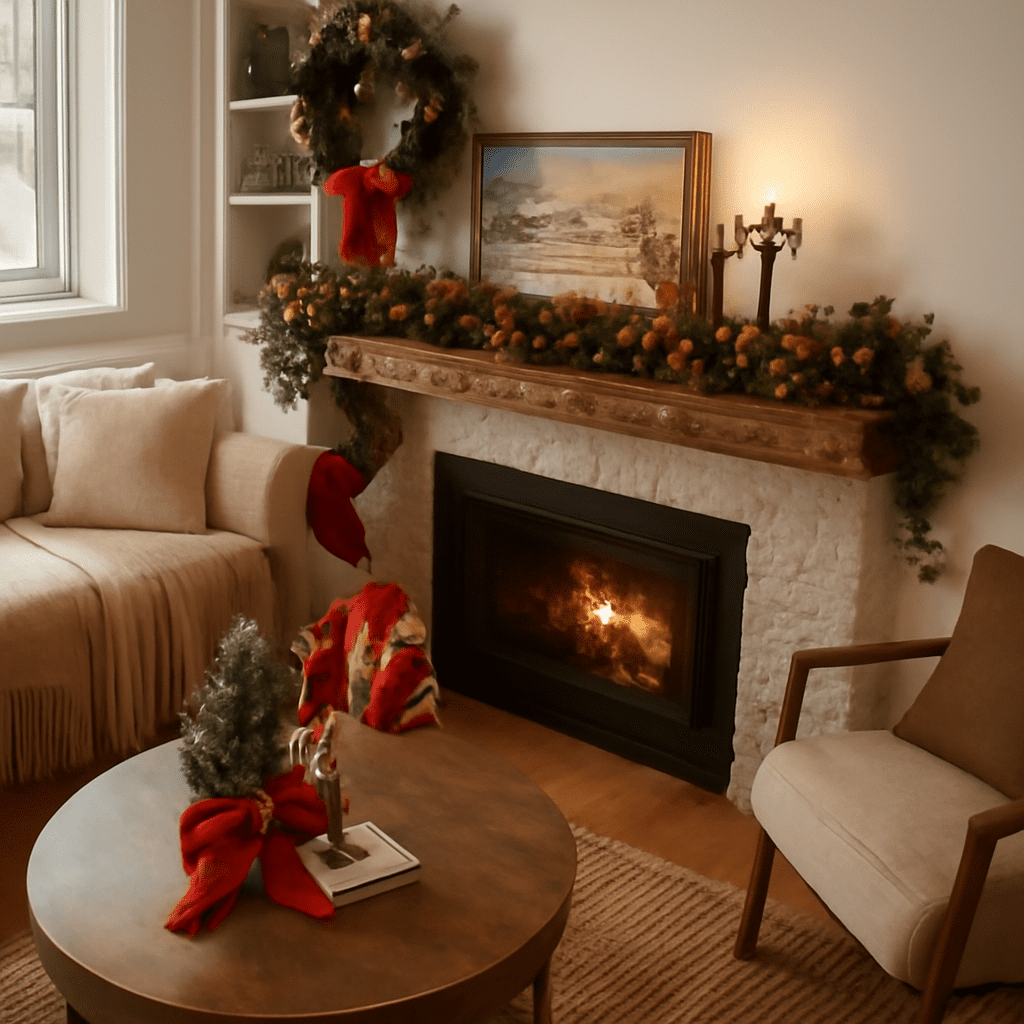
Transforming your living space can begin with a focal point that combines aesthetic appeal with functionality: the fireplace. A well-chosen fireplace surround and accompanying mantel designs can dramatically enhance the ambiance of any room. From classic to contemporary, these elements play a crucial role in defining the character of your home. In this guide, we’ll explore the best options for fireplace surrounds, popular mantel designs, and how to ensure proper placement and installation.
When selecting a fireplace surround, consider both the architectural style of your home and the room’s existing decor. The right surround can either complement or contrast with your interior design, creating a harmonious or striking effect. Evaluate the scale of the room and fireplace, ensuring that the surround’s size is proportionate and does not overwhelm the space.
Mantel designs are as diverse as the fireplace surrounds they accompany, offering opportunities to express personal style and creativity. Here are some popular options:
The material you choose for your fireplace surround can greatly influence its overall style and durability. Here are some common materials and their associated styles:
Proper placement and installation of your fireplace surround and mantel are crucial to ensure both safety and aesthetics. Here are some tips to guide you:
By carefully selecting your fireplace surround and mantel designs, and paying close attention to materials and installation, you can create a stunning focal point in your home that reflects your personal style and enhances the overall ambiance.

Explore the tallest building in New York, delve into iconic skyscrapers in Manhattan, and discover the architectural marvels that define the city’s skyline.

Explore what a serif font is, its characteristics, and how it influences graphic design. Learn about serif type’s significance in fashion and design culture.

Neoclassical architecture is a style that emerged in the mid-18th century, drawing inspiration from the classical architecture of ancient Greece and Rome. Characterized by grandeur, symmetry, and simplicity, this architectural style has left an indelible mark on buildings across the world. Understanding neoclassical architecture involves exploring its historical context, recognizing its defining features, and appreciating notable examples of its application.
Neoclassicism is an architectural movement that sought to revive the principles and aesthetics of classical antiquity. It emerged as a reaction against the elaborate style of baroque and rococo, favoring a return to the simplicity and perceived purity of ancient Greek and Roman architecture. Neoclassicism emphasizes order, rationality, and balance, often manifested through the use of columns, domes, and triangular pediments. The style is also associated with the Enlightenment, reflecting values such as reason and cultural progress.
The historical roots of neoclassical architecture can be traced back to the mid-18th century. This period, often referred to as the Age of Enlightenment, was characterized by a renewed interest in the arts and the philosophies of ancient civilizations. The archaeological discoveries in Pompeii and Herculaneum during this time further fueled the fascination with classical antiquity. Architects and scholars began to study ancient ruins, leading to the adoption of classical elements in modern design. This movement spread rapidly across Europe and North America, influencing both public and private architecture.
Neoclassical architecture can be identified by several key features that reflect its classical influences:
Neoclassical architecture has produced numerous iconic structures around the world, each showcasing the style’s timeless appeal:
Neoclassical architecture continues to captivate with its blend of historical reverence and architectural innovation. Whether in government buildings, museums, or religious structures, the style’s enduring elegance speaks to its roots in the classical past while maintaining relevance in the modern world.

Discover stylish modern living room design ideas to transform your space. Explore layouts, color schemes, furniture, and decor tips for a chic and cozy ambiance.