The Tallest Building in New York: A Look at Skyscrapers
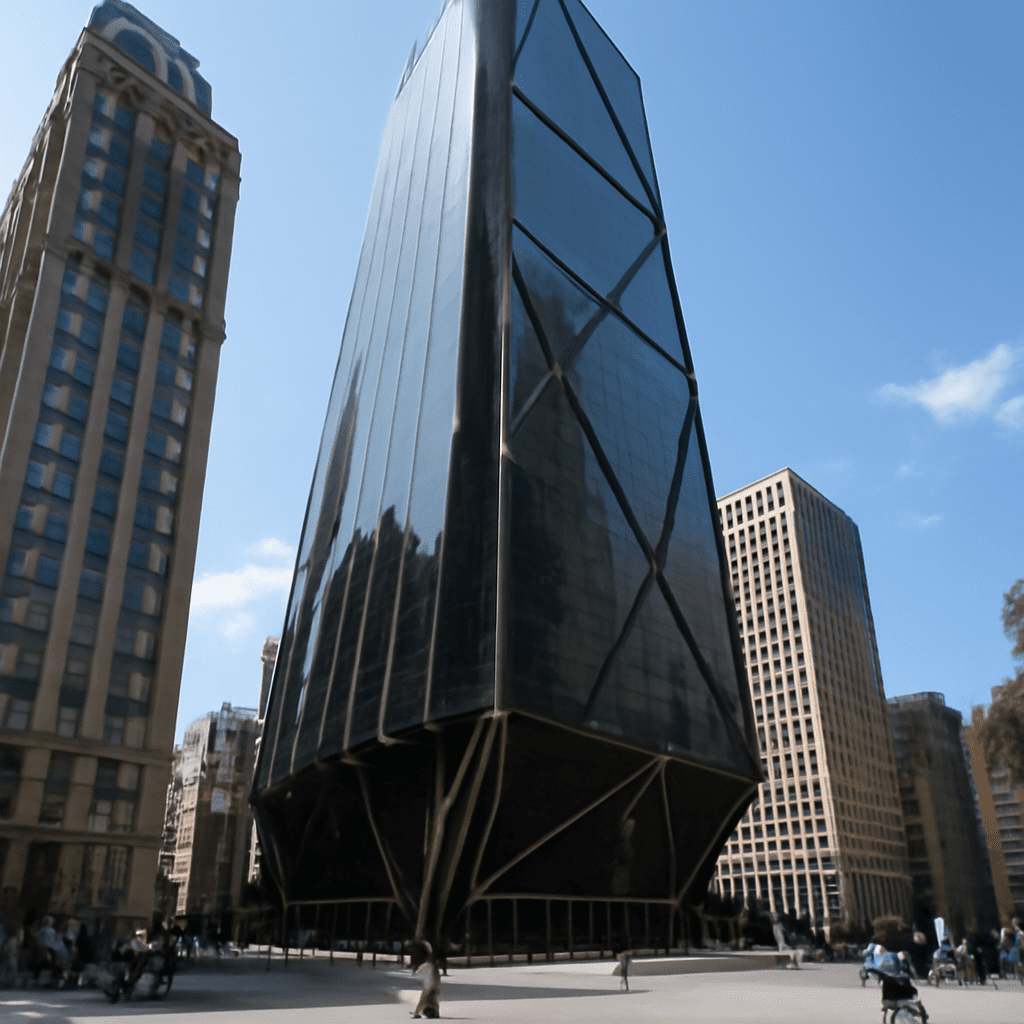
New York City is renowned for its impressive skyline, dotted with towering skyscrapers that define its urban identity. Among these giants, the tallest building in New York stands as a testament to architectural prowess and the city’s constant evolution. Let’s explore the tallest building in New York and delve into the iconic skyscrapers that make Manhattan a global architectural hub.
The Tallest Building in New York
As of 2023, One World Trade Center holds the title of the tallest building in New York. Completed in 2013, it rises to a symbolic height of 1,776 feet, a nod to the year of American independence. This skyscraper is not only the tallest in the city but also an emblem of resilience, standing proudly on the site of the original World Trade Center complex.
One World Trade Center’s design features a sleek, tapering form that culminates in a spire, enhancing its visibility on the skyline. The building serves multiple purposes, housing offices, an observation deck, and various retail spaces. It’s a prominent example of sustainable architecture, boasting LEED certification and numerous eco-friendly features.
Iconic New York Skyscrapers
New York City’s skyline is decorated with numerous iconic skyscrapers, each with its own unique charm and historical significance. The Empire State Building, completed in 1931, is perhaps the most famous of all, standing at 1,454 feet including its antenna. It was the world’s tallest building for nearly 40 years and remains a beloved tourist destination.
Another noteworthy skyscraper is the Chrysler Building, an Art Deco masterpiece completed in 1930. At its completion, it briefly held the title of the tallest building in the world. Its distinctive crown and spire are quintessential features of New York’s architectural landscape.
Other significant skyscrapers include the Bank of America Tower, known for its environmentally sustainable design, and the sleek, glassy One57. Each of these structures contributes to the diverse tapestry of New York’s skyline, reflecting different eras of architectural innovation.
The Evolution of Manhattan Skyscrapers
Manhattan skyscrapers have evolved significantly over the decades, transitioning from early stone and brick towers to modern steel-framed structures. The early 20th century marked a boom in skyscraper construction, driven by advances in engineering and the city’s burgeoning financial sector.
During this era, buildings like the Woolworth Building and the Flatiron Building emerged, showcasing innovative use of steel and terracotta. The 1960s and 70s saw a shift towards International Style architecture, with glass and steel becoming predominant materials.
Today, the evolution continues with supertall skyscrapers that redefine engineering limits. Developments such as the Hudson Yards project symbolize the ongoing transformation of Manhattan’s architectural landscape, integrating mixed-use spaces within towering structures.
Architectural Styles and Innovations
New York City’s skyscrapers are a testament to a variety of architectural styles and innovations. The Beaux-Arts style, evident in early skyscrapers like the Flatiron Building, emphasizes symmetry and classical details. Contrastingly, Art Deco buildings, such as the Chrysler Building, feature ornamental designs and geometric patterns.
The International Style, characterized by minimalism and a lack of ornamentation, gained popularity in the mid-20th century. This style is epitomized by structures like the United Nations Headquarters.
In recent years, architects have embraced sustainable and green building practices. For instance, the Bank of America Tower incorporates features such as waterless urinals and daylight dimming systems. These innovations reflect a growing trend towards eco-conscious construction in urban environments.
Ultimately, the tallest buildings in New York and the vast array of skyscrapers across Manhattan showcase ongoing advancements in architectural design and engineering. They are not just structures, but symbols of human ingenuity and the dynamic spirit of New York City.