Streamline Moderne: The Sleek Evolution of Art Deco Architecture
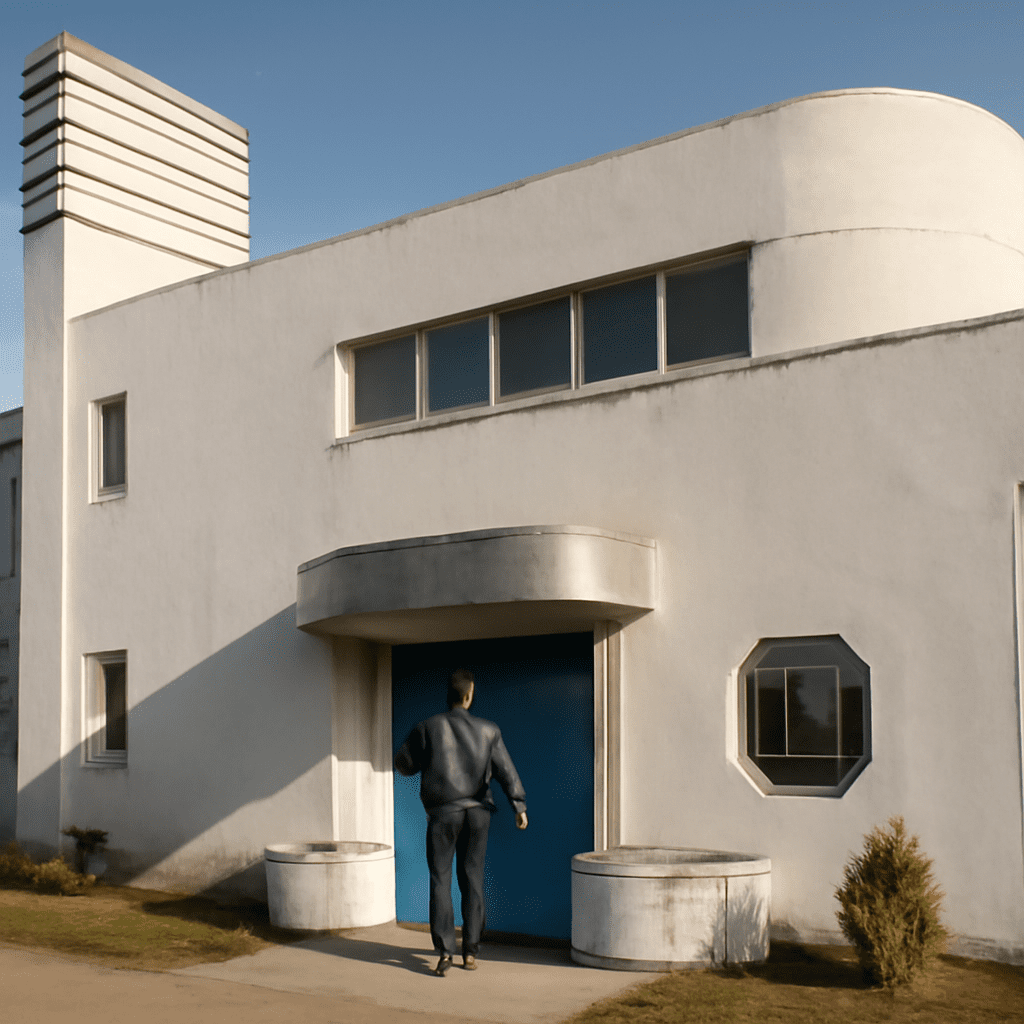
Streamline moderne represents the sleek, aerodynamic evolution of Art Deco, capturing the speed and optimism of the 1930s and 1940s. Recognizable by its curving forms, horizontal lines, and nautical influences, streamline moderne architecture appeared in everything from train stations to diners, leaving a distinctive mark on urban landscapes. This style was more than decorative—it was a response to the era’s technological advancements and changing cultural attitudes. Explore the defining features, origins, and iconic buildings that exemplify this compelling chapter in design history.
What Is Streamline Moderne?
Streamline moderne, also called Art Moderne, is a late branch of the Art Deco movement that emerged during the 1930s. Unlike the ornate, geometrically complex Art Deco of the 1920s, streamline moderne prioritizes smooth surfaces, curved corners, and horizontal emphasis to evoke speed, efficiency, and modernity. The style flourished in the United States and Europe, gaining particular prominence during the Great Depression, when economic pressures encouraged designers and architects to favor simpler, more functional forms over lavish ornamentation.
This architectural approach drew direct inspiration from industrial design advances of the era, including ocean liners, airplanes, and automobiles. As a result, streamline moderne architecture often incorporates nautical elements like porthole windows, railings reminiscent of ship decks, and even glass block accents that recall the look of a ship’s bridge. The aesthetic’s aerodynamic shapes and streamlined forms were intended to symbolize technological progress and hope for the future during difficult times.
Streamline moderne was not limited to grand public buildings. The style became a popular choice for commercial storefronts, movie theaters, bus stations, gas stations, and residential properties, making it one of the most accessible and influential forms of twentieth-century modernism. Its enduring popularity stems from its blend of futuristic optimism, functional design, and visual simplicity.
While its heyday spanned roughly from the early 1930s to the late 1940s, streamline moderne’s influence is still felt in contemporary architecture and product design, especially in sectors where movement, speed, or technological innovation are thematically important.
Key Features of Streamline Moderne Architecture
The hallmarks of streamline moderne architecture are instantly recognizable. This style emphasizes aerodynamic forms, stripped-down ornamentation, and a strong sense of horizontal movement. These visual cues collectively suggest progress, speed, and the high-tech allure of the Machine Age. Here are the key features that define the style:
- Curved Corners and Smooth Surfaces: Streamline moderne buildings frequently employ rounded corners, smooth facades, and flowing lines. This is a direct reference to the aerodynamic engineering of vehicles and ships from the era.
- Horizontal Banding: Horizontal lines—created through bands of windows, decorative grooves, or contrasting materials—are central to the style. These lines visually elongate structures and evoke a sense of forward momentum.
- Glass Block and Porthole Windows: Glass block walls provide both privacy and diffuse light, while round porthole-style windows reinforce the nautical theme. Both are frequently used as functional and decorative elements.
- Flat Roofs and Overhangs: Most buildings in this style feature flat or gently sloping roofs, often with deep overhangs or eyebrow-like canopies above windows and doors.
- Chrome and Stainless Steel Accents: Metal details such as railings, trim, and signage are typically finished in chrome or stainless steel, nodding to the industrial innovations of the period.
- Glass, Concrete, and Stucco: Smooth finishes in stucco or concrete predominate, contributing to the unadorned, machine-like aesthetic. Glass is generously used for block walls and expansive windows.
- Integrated Signage and Lighting: Neon signs and integrated lighting are often incorporated, especially on commercial buildings, enhancing the futuristic ambiance after dark.
- Nautical and Aviation Motifs: Many streamline moderne structures incorporate design references to ships or airplanes, such as railings that resemble those on ocean liners and window patterns reminiscent of cockpit designs.
These features are not just visually distinctive; they reflect a broader cultural embrace of innovation and efficiency, aiming to create buildings that looked as if they were built for a faster, more technologically advanced world.
Famous Examples of Streamline Moderne Buildings
Some of the most iconic streamline moderne buildings remain celebrated architectural landmarks. These structures, found across the United States and abroad, illustrate the style’s versatility and enduring appeal. Notable examples include:
- Normandie Hotel (San Juan, Puerto Rico): Opened in 1942 and inspired by the ocean liner SS Normandie, this hotel features sweeping curves, nautical motifs, and a prominent use of glass block. It stands as one of the Caribbean’s most striking streamline moderne landmarks.
- Pan-Pacific Auditorium (Los Angeles, California): Although it was tragically destroyed by fire in 1989, the Pan-Pacific Auditorium remains a symbol of the era with its quartet of stylized towers, sweeping lines, and dramatic facade. Its design inspired the entrance of Disney’s Hollywood Studios.
- Greyhound Bus Terminal (Cleveland, Ohio): Built in 1948, this terminal showcases all the hallmarks of streamline moderne architecture: curving corners, horizontal bands of glass block, and neon signage. Such bus depots became icons of mobility and modern life.
- Pennsylvania Greyhound Terminal (Philadelphia, Pennsylvania): With its stainless steel canopies, rounded corners, and streamlined silhouette, this building exemplifies the functional beauty of the style applied to transportation hubs.
- Niagara Mohawk Building (Syracuse, New York): Completed in 1932, this Art Moderne skyscraper features stainless steel details, decorative lightning bolts, and sleek sculptural elements that epitomize the optimism of the age.
- Schwab’s Pharmacy (Hollywood, California): Once a Hollywood icon, Schwab’s Pharmacy showcased characteristic curved glass windows and a minimalist, streamlined façade until its demolition in the 1980s.
These buildings, along with countless diners, theaters, and apartment blocks, demonstrate the adaptability of streamline moderne design to both large-scale civic projects and small commercial spaces. Their preservation and continued admiration highlight the style’s cultural and architectural significance.
The Lasting Impact of Streamline Moderne on Modern Design
Streamline moderne has left a lasting imprint on both architecture and industrial design. Its influence can be seen in postwar modernism and later midcentury styles that continued to prioritize functional forms and horizontal emphasis. The use of glass block, chrome detailing, and aerodynamic lines became common in everything from kitchen appliances to automobiles in the decades that followed.
In contemporary design, the principles of streamline moderne—simplicity, efficiency, and a celebration of technological progress—remain relevant. Architects and designers often draw inspiration from its forms when creating new transportation hubs, modern diners, or even residential projects that seek a retro-futurist flair. The enduring popularity of the style is evident in restoration projects and preservation efforts across the United States, particularly in cities like Miami, Los Angeles, and New York, where many original buildings still stand.
Streamline moderne’s blend of optimism and innovation captures the spirit of an era while continuing to shape the design language of the present. Its legacy is seen in the enduring appeal of curved forms, clean lines, and the fusion of function with aesthetic confidence—an unmistakable nod to a time when the future seemed just around the corner.