What Defines an English Cottage and Its Timeless Style?
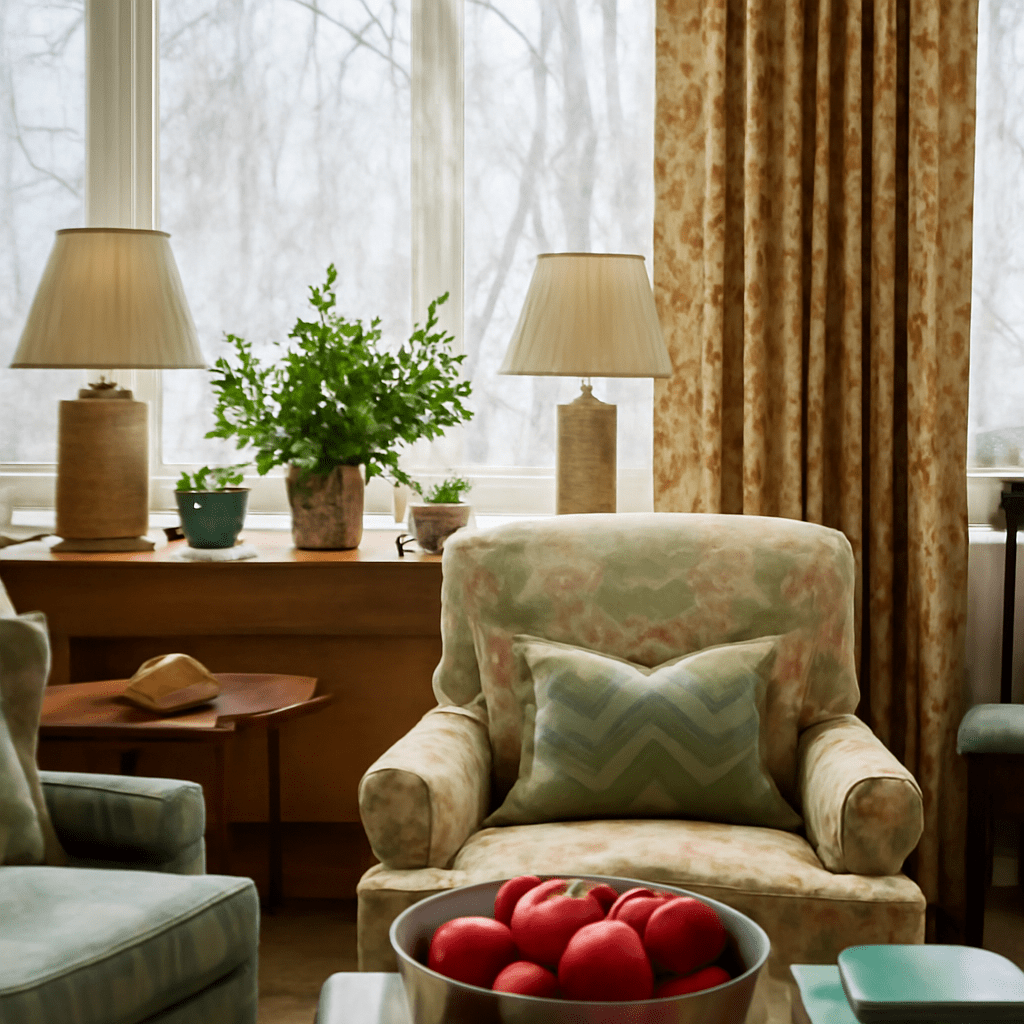
The enduring charm of the English cottage lies in its cozy atmosphere, storybook architecture, and practical yet whimsical interior style. Renowned for blending tradition with comfort, English cottages and their iconic style have captivated homeowners and decorators for generations. Here, we define what makes a home an English cottage, explain its key architectural features, explore the essence of English cottage style, and offer practical cottage decorating ideas to bring this timeless look into your living space.
What Is an English Cottage?
An English cottage is a small, traditionally rural house found throughout the English countryside. These homes originated as dwellings for farmworkers and villagers, designed to be both functional and inviting. The classic English cottage is known for its modest size, picturesque appearance, and close connection to nature, often nestled within lush gardens or surrounded by rolling landscapes.
Today, the appeal of the English cottage extends beyond rural England. The term evokes images of homes with steeply pitched roofs, irregular plaster or stone walls, and multi-paned windows. Although the original cottages were built for practicality, their distinctive features have gained iconic status, inspiring interpretations in suburban developments and interior design worldwide.
English cottages are more than architectural structures—they represent a way of life rooted in simplicity, comfort, and a harmonious relationship with the outdoors. Whether original or newly built, a true English cottage embraces the charm of imperfection, individuality, and a sense of history that invites relaxation and warmth.
One of the defining characteristics of any English cottage is a sense of intimacy. Every space, inside and out, is designed for human scale and daily living. Rooms are compact, with low ceilings, nooks and crannies, and often a central hearth. This inviting, lived-in feeling is a key part of the enduring appeal of English cottage style.
Key Architectural Features of English Cottages
The architecture of an English cottage is distinctive and instantly recognizable. While there is some variation by region and period, several features are commonly associated with these homes. These elements not only provide functional benefits but also contribute to the storybook charm that defines an English cottage.
Steeply Pitched Roofs: Most English cottages feature a steeply pitched roof, often with gables and deep overhangs. Thatch, slate, or clay tiles are traditional roofing materials, lending the home a rustic, organic quality. The pronounced rooflines help the cottage shed rain and snow efficiently, while their angles create cozy attic spaces inside.
Irregular Walls and Materials: Cottages are typically constructed from materials native to their region, such as stone, brick, or timber frame with wattle and daub infill. Walls are often thick and slightly uneven, adding character. Exteriors may be whitewashed, left natural, or adorned with climbing plants like roses or ivy.
Small, Multi-Paned Windows: English cottages are famous for their modestly sized, deep-set windows with multiple panes. Casement windows that swing outward are common, sometimes with charming wooden shutters. These windows maximize natural light while maintaining insulation and privacy.
Chimneys and Hearths: A prominent chimney—often made of brick or stone—is a signature of the English cottage. The fireplace inside serves as the heart of the home, both functionally and symbolically, providing heat and gathering space for family and guests.
Low Ceilings, Exposed Beams, and Cosy Interiors: Interior spaces typically have low ceilings and exposed wooden beams. Floors are often flagstone, terracotta tile, or aged wood. Rooms are small and intimate, arranged for practical living and everyday comfort.
Essential Elements of English Cottage Style
English cottage style embodies comfort, nostalgia, and a relaxed elegance. This decorating approach celebrates the beautifully imperfect, blending inherited pieces with simple, handcrafted decor. To capture authentic English cottage style, focus on the following elements:
Layered Textiles and Soft Furnishings: Pile sofas and beds with a mix of patterned and solid cushions, throws, and quilts. Look for florals, checks, and stripes in muted or pastel tones. Natural fibers like cotton, linen, and wool enhance the cozy, lived-in feel.
Antique and Vintage Furniture: Mix and match pieces from different eras. Painted dressers, weathered tables, spindle-back chairs, and overstuffed armchairs all have a place. The emphasis is on comfort and character, not matching sets. Well-loved, slightly shabby finishes add authenticity.
Botanical Motifs and Connection to Nature: English cottage style draws the outdoors in with floral prints, botanical artwork, and fresh-cut flowers displayed in simple jugs or vases. Windows are often dressed with breezy curtains or left bare to frame garden views.
Collected Decor and Personal Touches: Shelves and mantels display curated collections—china, books, framed family photos, or handmade pottery. This style celebrates individuality and sentimental value, with every object telling a story.
Warm, Inviting Color Palette: Soft whites, creams, sage greens, duck egg blues, and rosy pinks create a gentle, welcoming backdrop. Painted woodwork and colorful accents brighten even the gloomiest days and small, north-facing rooms.
Cottage Decorating: Bringing the Look to Your Home
Adopting cottage decorating principles in your own home doesn’t require a move to the English countryside. Whether you’re redesigning an entire house or refreshing a single room, you can infuse the charm of an English cottage with thoughtful choices and layering. Here’s how to start:
- Start with the Basics: Choose foundational pieces—like a slipcovered sofa, a farmhouse table, or a weathered cabinet—that combine comfort with classic style. Look for gently aged finishes and graceful lines, then build your room around these anchors.
- Layer Patterns, Colors, and Textures: Mix florals, checks, and soft stripes on upholstery, curtains, and cushions. Drape throws over armchairs and add a vintage-inspired rug for warmth. Don’t shy away from a little pattern clash—eclectic layering is the heart of cottage decorating.
- Embrace Imperfection: Seek out vintage, upcycled, or handmade pieces that reflect the spirit of the English cottage. A slightly chipped vase, a faded painting, or a quirky lamp can become a focal point. These details add authenticity and a sense of history.
- Dress Your Walls and Windows: Hang artwork grouped in salon-style arrangements, display pressed flowers in frames, or use botanical prints to reference the outdoors. Opt for light-filtering window treatments to maximize natural sunlight.
- Bring the Garden Inside: Place potted herbs on windowsills, fill pitchers with blooms, and use wicker baskets to hold magazines or firewood. If possible, link your indoor spaces with a garden view or a small outdoor sitting area.
- Personalize Every Corner: Create reading nooks, window seats, or cozy corners with layered textiles and soft lighting. Showcase family heirlooms, favorite books, or collections for a truly personal feel.
By focusing on warmth, individuality, and a genuine love for comfort, anyone can capture the timeless essence of the English cottage in their home.