Exploring the Temples of Cambodia: Siem Reap’s Angkor Wat
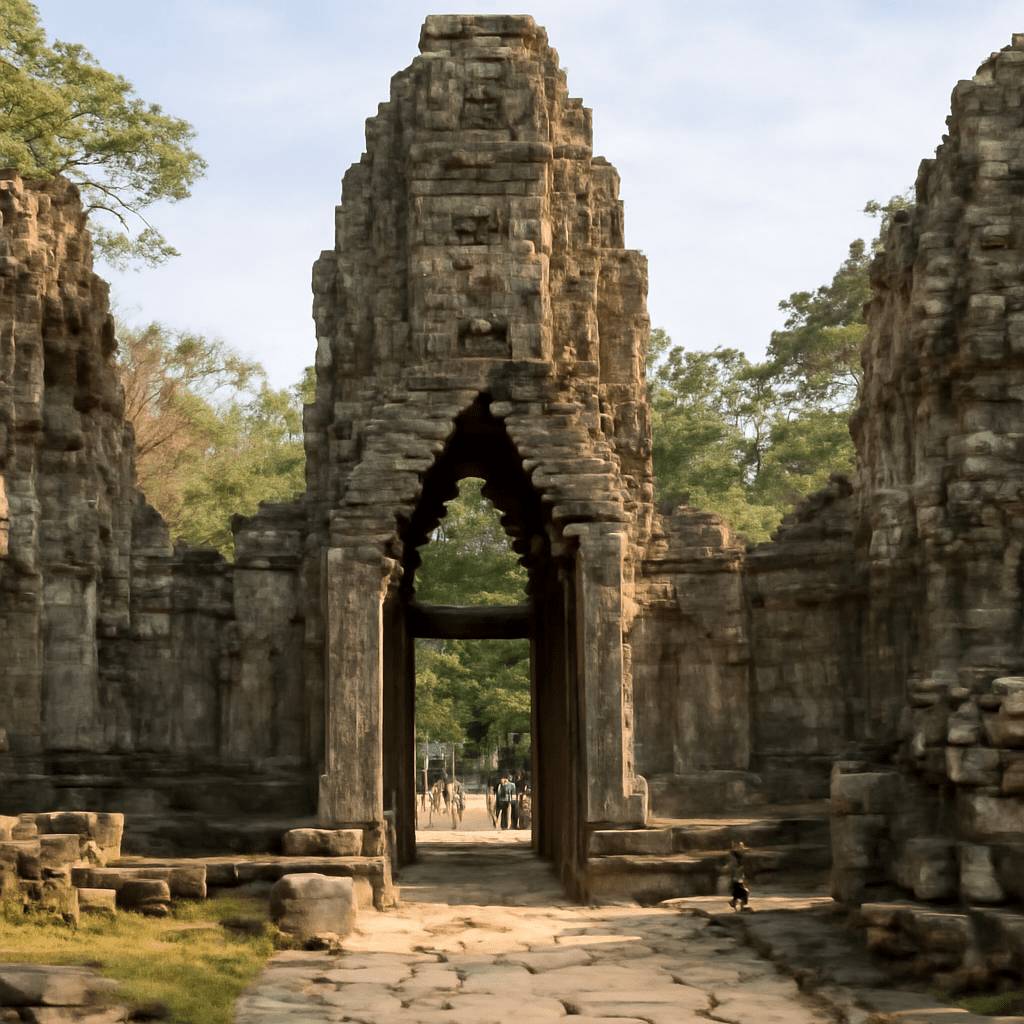
Cambodia is a country rich with history and culture, boasting some of the most awe-inspiring temples in the world. Among these, Angkor Wat stands as a crown jewel, attracting visitors from across the globe. Located in Siem Reap, Angkor Wat is not only a symbol of Cambodia’s architectural prowess but also a testament to its historical significance. This article delves into the wonders of the Cambodia temple, especially focusing on Siem Reap Angkor Wat, and provides essential tips for making the most of your visit.
The Historical Significance of Angkor Wat
Built in the early 12th century by King Suryavarman II, Angkor Wat was originally dedicated to the Hindu god Vishnu. The temple complex represents the peak of Khmer architecture and is the largest religious monument in the world. It later transformed into a Buddhist temple, reflecting the religious shift that occurred in the region. Angkor Wat symbolizes the unity of architecture and spirituality, embodying the Khmer Empire’s dedication to their gods and kings.
Architectural Marvels of Cambodia’s Temples
Cambodia’s temples are renowned for their intricate designs and grand scale. Angkor Wat, in particular, is a masterpiece of Khmer architecture. The complex showcases a harmonious blend of spirituality and symbolism, with its five towering spires representing the peaks of Mount Meru, the center of the universe in Hindu and Buddhist cosmology. The bas-reliefs and carvings display stories from Hindu mythology, offering insight into the artistic and religious practices of the time.
Beyond Angkor Wat, other significant temples in the Angkor Archaeological Park include Bayon, known for its enigmatic smiling faces, and Ta Prohm, famous for its intermingling of nature and architecture as tree roots envelop the ruins.
Exploring Siem Reap: Gateway to Angkor Wat
Siem Reap serves as the ideal base for exploring Angkor Wat and its surrounding temples. The city offers a mix of cultural experiences, from vibrant night markets to traditional Apsara dance performances. Visitors can also explore the Angkor National Museum, which provides context and history about the temples.
Siem Reap’s proximity to the temple complex makes it convenient for visitors to take guided tours or rent bicycles to explore the area. The city’s infrastructure is well-developed, catering to the needs of travelers with a range of accommodations and dining options.
Tips for Visiting Angkor Wat and Surrounding Temples
- Timing: Visit Angkor Wat at sunrise or sunset for breathtaking views and cooler temperatures. These times also help avoid the midday crowds.
- Dress Code: Respectful attire is required. Ensure your shoulders and knees are covered when visiting the temples.
- Guided Tours: Consider hiring a knowledgeable guide to enrich your understanding of the temple’s history and architecture.
- Photography: Capture the stunning architecture, but be mindful of others and avoid using flash inside the temple.
- Stay Hydrated: The warm climate can be challenging, so carry water and stay hydrated during your visits.