Exploring the Forbidden City: A Glimpse into China’s Imperial Palace
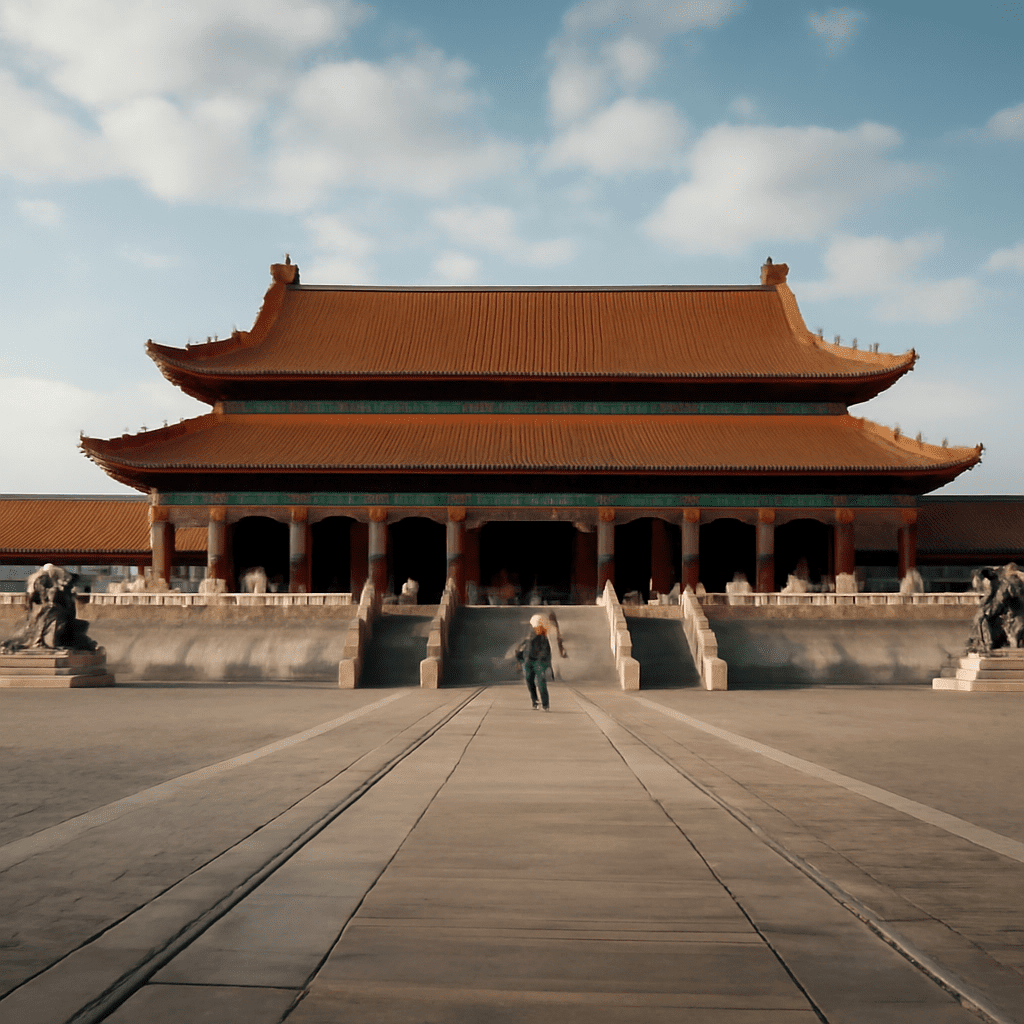
The Forbidden City in Beijing stands as a testament to China’s rich history and cultural heritage. As the largest imperial palace complex in the world, it once served as the political and ceremonial center of Chinese emperors. Today, the Forbidden City attracts millions of visitors eager to explore its grand palaces and intricate architecture.
Introduction to the Forbidden City
Located in the heart of Beijing, the Forbidden City, also known as the Chinese Imperial Palace, was the home of emperors for nearly 500 years, from the Ming to the Qing dynasties. Spanning approximately 180 acres, the complex comprises over 980 buildings and is a UNESCO World Heritage Site. The name “Forbidden City” refers to its restricted access, where entry was traditionally limited to the emperor, his family, and select officials.
Historical Significance of the Chinese Imperial Palace
The Forbidden City served as the epicenter of Chinese governance and culture. Each emperor’s reign brought changes and additions to the palace, reflecting the evolving architectural styles and political priorities of the time. Beyond its political role, the palace was a symbol of imperial power, with its layout and design embodying Confucian ideals of harmony and hierarchy.
The Forbidden City remained the administrative heart of China until the fall of the Qing dynasty in 1912. Its historical significance extends beyond architecture; it houses countless artifacts, artworks, and manuscripts that provide insights into ancient Chinese civilization.
Architectural Marvels of the Forbidden City in Beijing
The architectural design of the Forbidden City in Beijing is characterized by its symmetry, balance, and use of traditional Chinese elements. The complex is surrounded by a massive defensive wall and a moat, emphasizing its inaccessibility and the power it represented.
Key structures include the Hall of Supreme Harmony, the largest wooden structure within the complex, and the Palace of Heavenly Purity, which served as the emperor’s residence. These buildings feature ornate carvings, vibrant colors, and meticulous details that showcase the advanced craftsmanship of the time.
The use of yellow tiles on the roofs is particularly notable, as yellow was the color of the emperor. The layout reflects the cosmological beliefs of ancient Chinese society, with the north-south axis symbolizing the emperor’s alignment with the heavens.
Cultural Heritage and Preservation Efforts
Preserving the Forbidden City is crucial for maintaining China’s cultural heritage. In recent years, extensive restoration efforts have been undertaken to repair and maintain the structures, ensuring their survival for future generations.
The Palace Museum, located within the Forbidden City, plays a vital role in these efforts. It not only serves as a repository for historical artifacts but also engages in research and educational activities to promote understanding of China’s imperial past.
Modern technology has also been employed in preservation, including digital mapping and virtual reality tours, which allow global audiences to experience the grandeur of the Forbidden City without physical presence.
The Forbidden City remains a vital link to China’s imperial history, offering a glimpse into the opulence and complexity of a bygone era. As a focal point of tourism and scholarly interest, its legacy continues to influence Chinese culture and identity.