Understanding the Skin Color Palette in Graphic Design
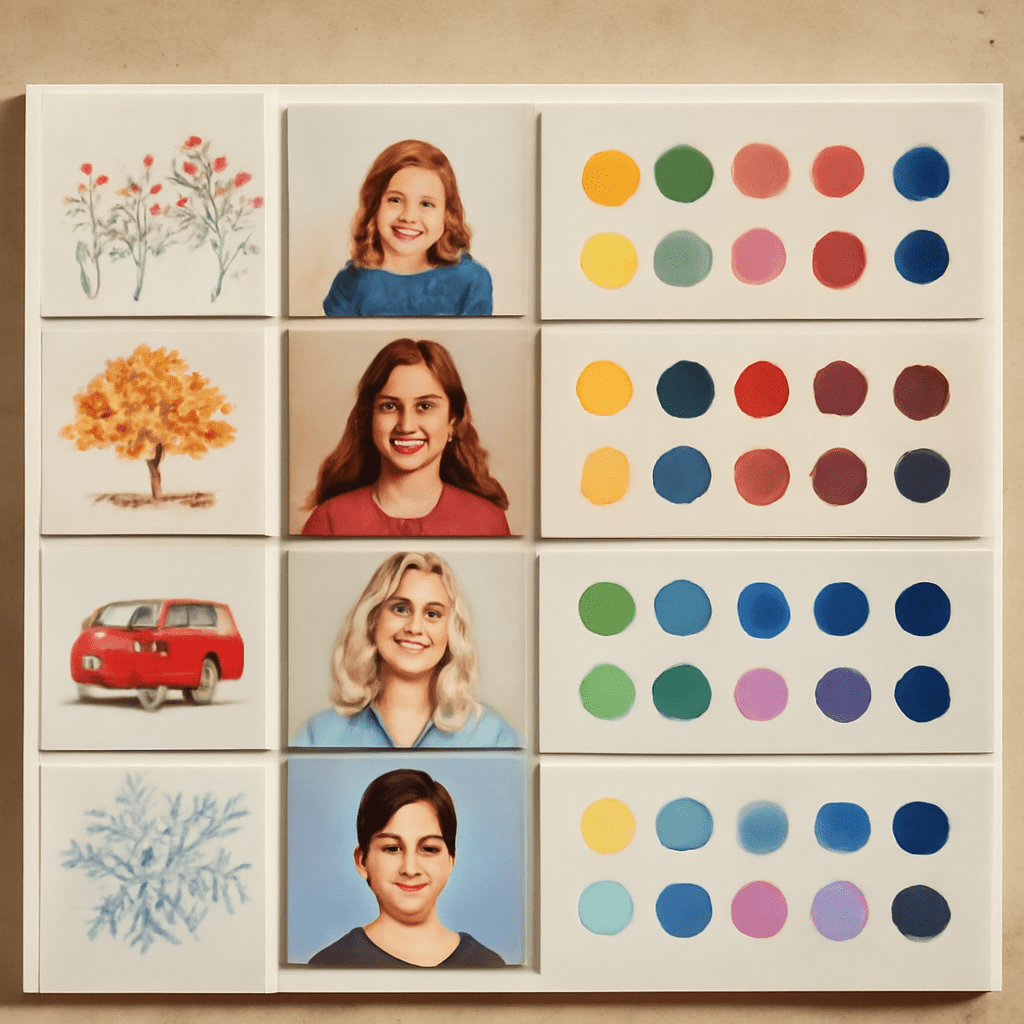
In the realm of graphic design, the concept of a skin color palette has gained significant importance. This palette offers a range of hues that represent various skin tones, promoting inclusivity and diversity in visual projects. Understanding how to utilize a skin palette effectively can enhance the relatability and appeal of your design work.
What is a Skin Color Palette?
A skin color palette is a curated collection of shades that depict the wide spectrum of human skin tones. From the lightest to the darkest hues, these palettes are used to ensure representation of all ethnicities and backgrounds. They are essential in projects that involve human illustrations, avatars, or any graphics depicting people.
Importance of Using Skin Palettes in Design
Using skin palettes in design is crucial for several reasons. Firstly, it promotes inclusivity by representing diverse audiences. By incorporating a variety of skin tones, designers can connect more authentically with a global audience. Additionally, it demonstrates cultural awareness and sensitivity, essential in today’s interconnected world.
Creating an Inclusive Skin Palette
To create an inclusive skin palette, begin by researching the demographics of your target audience. This research will guide you in selecting a range of skin tones that accurately reflect your audience. Tools like Adobe Color and Coolors can help in mixing and matching shades to achieve a balanced palette.
Ensure your palette includes a wide range of tones from fair to deep. Consider testing your colors on different devices to ensure consistency and accessibility. Regular feedback from diverse focus groups can also help refine your palette for more inclusive representation.
Practical Applications in Graphic Design
Skin color palettes have numerous practical applications in graphic design. They are commonly used in branding, advertising, and digital media where human representation is key. For instance, creating avatars or illustrations for a multicultural audience requires a thoughtful selection of skin tones to resonate with various viewers.
In UI/UX design, skin palettes can enhance user engagement by making applications feel more personalized. Similarly, in educational materials and infographics, these palettes aid in visually representing diversity, which is crucial for inclusive education.
When designing marketing campaigns, using a skin palette can help tailor visuals to specific demographic groups, increasing relatability and engagement. Brands like Fenty Beauty and Band-Aid have successfully utilized skin palettes to cater to a diverse clientele, setting industry standards for inclusivity.