Exploring the Duomo in Florence: A Masterpiece of Architecture
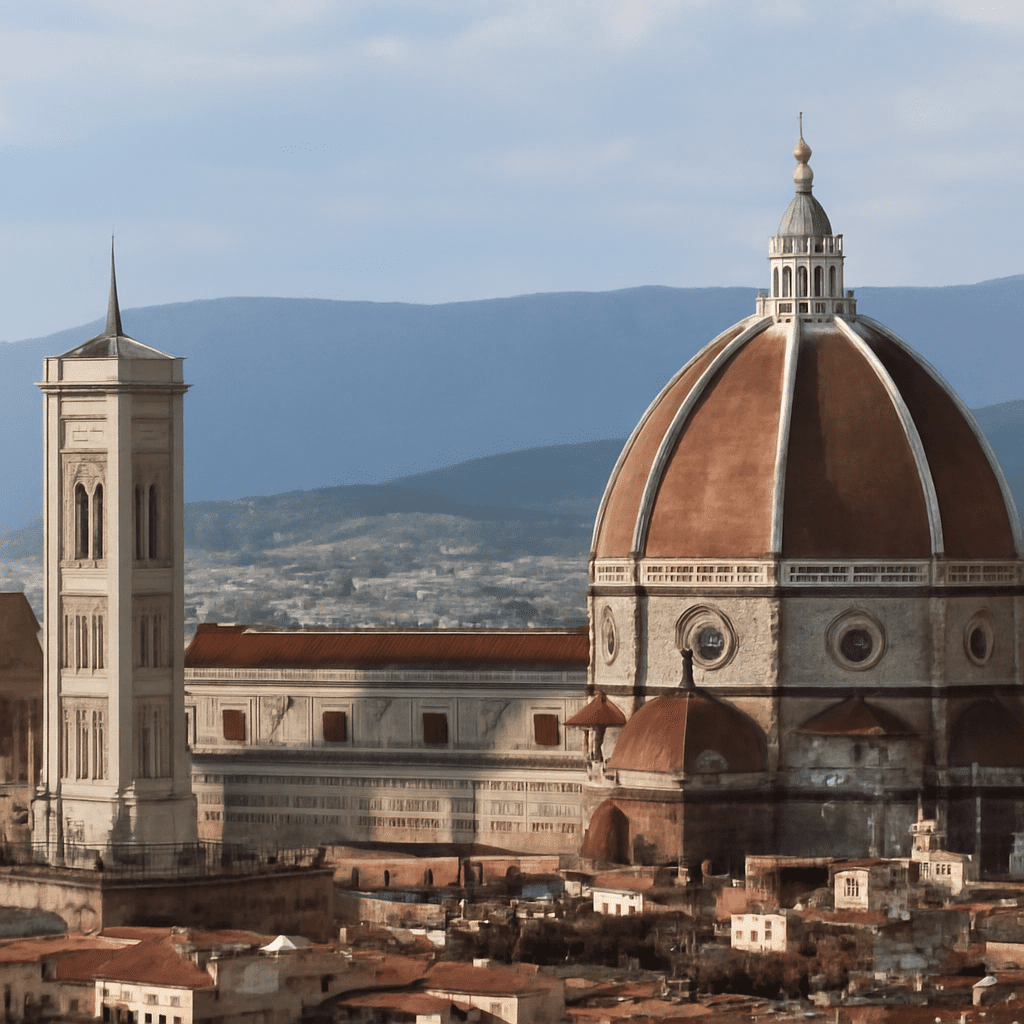
The Duomo in Florence, officially known as the Cathedral of Santa Maria del Fiore, is an architectural gem that dominates the city’s skyline. Its iconic dome of Florence Cathedral, designed by Filippo Brunelleschi, is a symbol of Renaissance ingenuity and creativity. This article delves into the Duomo’s rich history, the architectural brilliance of its dome, the innovative techniques used in its construction, and what visitors can expect when exploring this masterpiece.
The Historical Significance of the Duomo
The Duomo in Florence holds a significant place in both religious and architectural history. Construction began in 1296 and spanned more than a century, reflecting the evolving styles and technologies of the time. The cathedral was intended to reflect the glory of God and the city’s wealth, serving as a powerful statement of Florence’s status as a cultural and economic hub.
Florence was a leading center of the Renaissance, and the Duomo played a crucial role in this cultural awakening. With its grand facade and intricate design, the cathedral stood as a testament to the era’s artistic and engineering achievements. It was finally consecrated in 1436, celebrating the culmination of years of dedication and craftsmanship.
Architectural Features of the Dome of Florence Cathedral
The dome of Florence Cathedral is a marvel of architecture. It spans an impressive 45.5 meters in diameter, making it the largest brick dome ever constructed. Its octagonal shape and double-shell design are key features that contribute to its stability and aesthetics.
Brunelleschi’s dome is adorned with frescoes by Giorgio Vasari and Federico Zuccari, depicting The Last Judgment. These artworks add to the visual impact and historical importance of the structure. The lantern atop the dome, also designed by Brunelleschi, enhances its vertical emphasis, drawing the eye skyward and completing the dome’s silhouette with elegance.
Innovative Techniques Used in the Dome’s Construction
Brunelleschi employed several groundbreaking techniques in the construction of the dome. One of the most innovative was the use of a herringbone brick pattern, which provided additional support and stability. This method allowed the dome to be built without the need for extensive scaffolding, a revolutionary concept at the time.
The double-shell structure of the dome was another innovation that contributed to its enduring strength. The outer shell provides protection from the elements, while the inner shell offers additional support. Brunelleschi’s inventive approach to using lightweight materials and solid internal chains ensured that the dome could withstand both the test of time and natural forces.
Visiting the Duomo: What to Expect
Visitors to the Duomo can expect a breathtaking experience, both inside and out. The cathedral’s facade, completed in the 19th century, is adorned with intricate marble panels in shades of green, pink, and white, drawing visitors from around the world.
Inside, the vast nave is awe-inspiring, leading to the main altar and the stunning dome overhead. Climbing to the top of the dome offers a unique perspective of Florence, providing panoramic views that are unforgettable. The ascent involves over 450 steps, but the reward is worth the effort.
The Duomo complex also includes the Baptistery of San Giovanni and Giotto’s Campanile, both of which are architectural marvels in their own right. A single ticket grants access to these sites, making it easy to explore the rich history and beauty of Florence’s religious center.