Exploring the Beauty of Gothic Churches
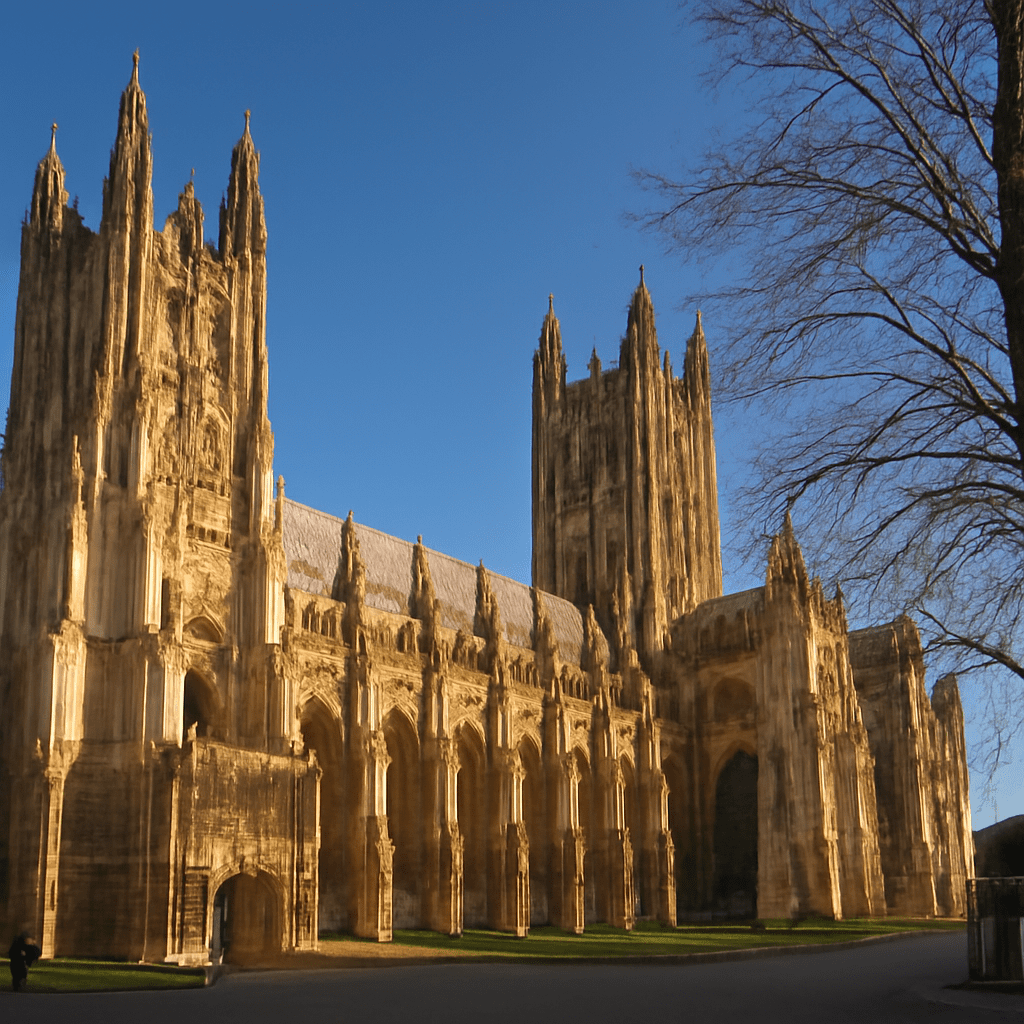
Gothic style architecture has captivated the imagination for centuries, characterized by its intricate designs and striking verticality. From soaring gothic towers to the serene interiors of gothic style churches, this architectural genre stands as a testament to human creativity and spiritual expression. Whether you’re an architecture enthusiast or a traveler seeking the spiritual ambiance of gothic churches, exploring these masterpieces offers a profound insight into a bygone era.
The Origins of Gothic Style Architecture
Gothic style architecture emerged in the 12th century in France, marking a departure from the Romanesque style that preceded it. Its inception is attributed to the need for larger, brighter church interiors, which were achieved through innovative engineering techniques. The defining elements—such as pointed arches, ribbed vaults, and flying buttresses—allowed for taller structures and larger windows.
The architectural style spread quickly across Europe, becoming prevalent in ecclesiastical buildings. Its reach extended beyond religious structures, influencing civic buildings and castles. Gothic architecture was not only a technical achievement but also carried deep religious and cultural significance, symbolizing the divine and transcendent.
Key Features of Gothic Style Churches
Gothic style churches are renowned for their distinctive features that contribute to their grandeur. One of the most iconic elements is the pointed arch, which allows for greater height and stability. Ribbed vaults, another key feature, support the roof and further enable height.
The incorporation of large stained glass windows is perhaps one of the most admired aspects, filling interiors with vibrant light and depicting biblical scenes and saints. Flying buttresses are essential for supporting the weight of the walls while permitting enough space for expansive windows. These elements collectively create a sense of verticality and light, emphasizing the spiritual aspirations of the structures.
Famous Gothic Towers Around the World
Gothic towers are among the most impressive features of gothic style architecture, serving as beacons of faith and architectural prowess. Notre-Dame Cathedral in Paris is a quintessential example, with its iconic towers reaching towards the heavens. These towers are adorned with intricate stone carvings and gargoyles that serve both decorative and structural purposes.
The Cologne Cathedral in Germany boasts one of the tallest gothic towers in the world, reflecting the ambition and skill of its medieval builders. Meanwhile, the Salisbury Cathedral in England is distinguished by its spire, the tallest in the country, illustrating the vertical emphasis of the style.
Each tower carries a unique story and architectural significance, contributing to the rich tapestry of gothic architecture and offering visitors a glimpse into the past.
Notable Gothic Style Churches to Visit
Exploring gothic style churches offers an unparalleled experience of history and beauty. The Chartres Cathedral in France is celebrated for its stunning stained glass windows and labyrinth, a symbol of pilgrimage and contemplation.
The Milan Cathedral in Italy presents a magnificent example of late gothic architecture, with its elaborate façade and pinnacles creating a breathtaking silhouette. Similarly, the Westminster Abbey in London is a masterwork of gothic design, renowned for its role in royal ceremonies and its architectural splendor.
St. Vitus Cathedral in Prague stands as a testament to gothic artistry, with its elaborate rose windows and towering spires. Each of these churches provides a unique insight into the craftsmanship and spiritual aspirations that define gothic style architecture, inviting visitors to marvel at their grandeur and historical significance.