Exploring Frank Lloyd Wright’s Artistic Legacy
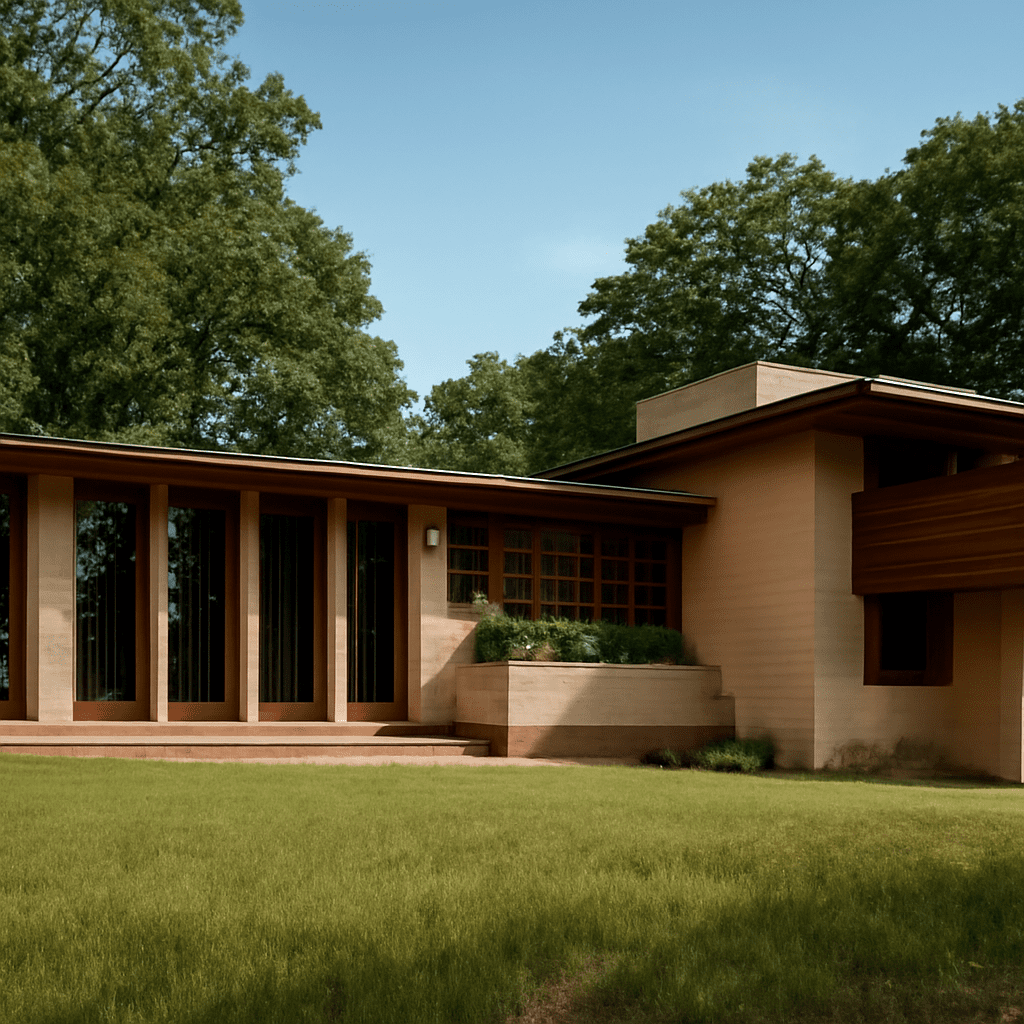
Frank Lloyd Wright is celebrated for his groundbreaking contributions to modern architecture. His innovative designs have left an indelible mark on the industry, blending art and architecture in ways that continue to inspire. This article delves into Wright’s artistic vision, his famous buildings, the unique characteristics of his architectural style, and the lasting influence of his work today.
The Artistic Vision of Frank Lloyd Wright
Frank Lloyd Wright’s art transcends conventional architecture, embodying his belief in creating structures that harmonize with their environment. His philosophy, often termed “organic architecture,” aimed to integrate buildings with their surroundings, using natural materials and forms inspired by nature. This vision is evident in his extensive portfolio, where each project reflects a seamless blend of function and artistry.
Famous Buildings by Frank Lloyd Wright
Among Frank Lloyd Wright’s famous buildings, Fallingwater stands out as a masterpiece. Built in 1935, this house in Pennsylvania is renowned for its daring design, perched above a waterfall, which captures Wright’s ability to blend architecture with nature. Another iconic creation is the Guggenheim Museum in New York City, completed in 1959. The museum’s spiral design challenged traditional architecture, offering a unique, flowing space for art exhibitions.
The Robie House in Chicago, constructed in 1910, is another testament to Wright’s ingenuity. It exemplifies his Prairie School movement, characterized by horizontal lines and open interior spaces. These buildings, among others, showcase Wright’s ability to push architectural boundaries and create timeless structures.
Understanding Wright’s Architectural Style
Frank Lloyd Wright’s architectural style is distinctive and easily recognizable. Key elements include the use of geometric shapes, open floor plans, and a strong emphasis on horizontal lines. His design principles often involved integrating the interior spaces with the exterior environment, creating a cohesive and unified aesthetic.
Wright favored materials like wood, stone, and glass, which he used to enhance the connection between his buildings and their natural settings. His innovative use of cantilevered structures, as seen in Fallingwater, allowed for daring architectural feats that seemed to defy gravity.
The Influence of Wright’s Designs Today
Frank Lloyd Wright’s influence on contemporary architecture is profound. His emphasis on sustainability and harmony with nature has inspired countless architects to pursue eco-friendly designs. Modern architectural practices often reflect Wright’s principles, prioritizing open spaces and the integration of indoor and outdoor environments.
Wright’s legacy is preserved through numerous foundations and educational programs dedicated to studying and promoting his work. His buildings continue to attract visitors from around the world, serving as both historical landmarks and sources of inspiration for future generations of architects.