What’s My Decorating Style Quiz? Build a Practical Interior Direction
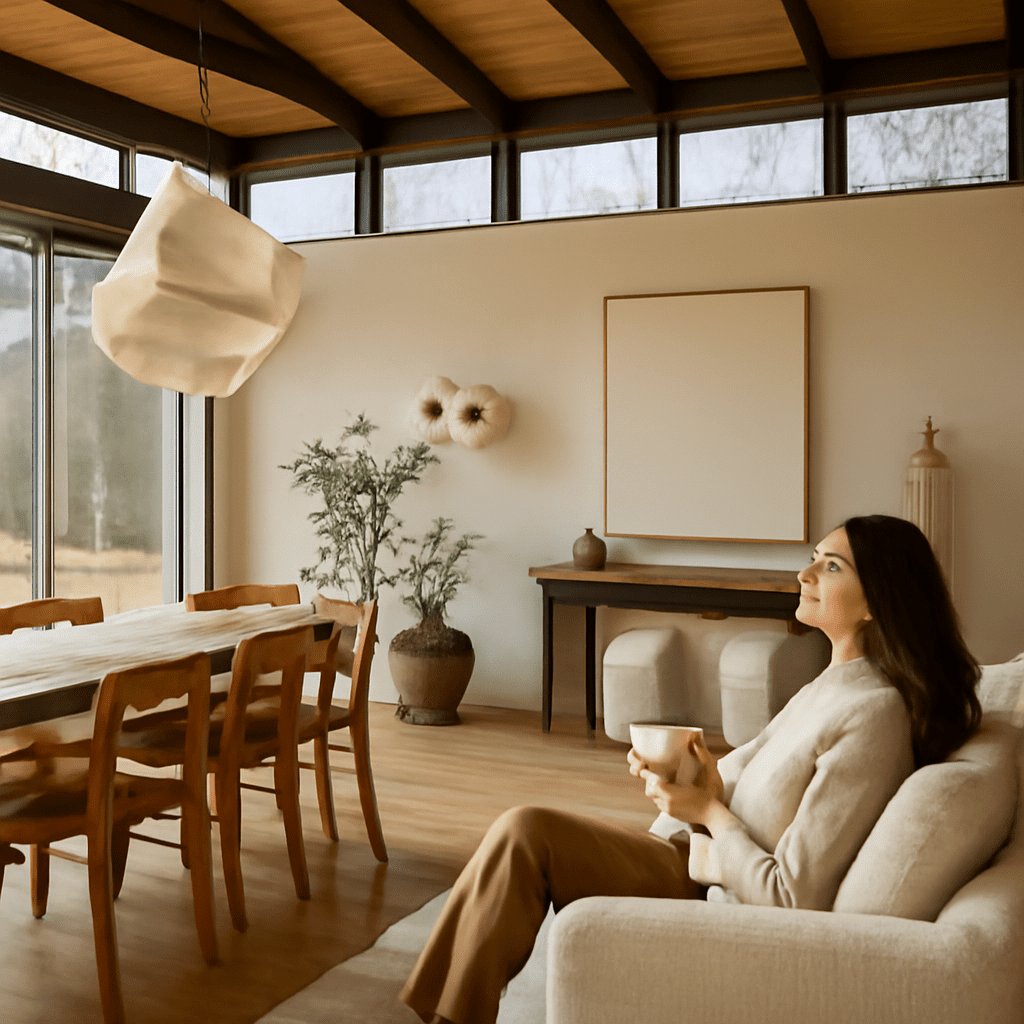
Use this what’s my decorating style quiz to identify the visual qualities you repeatedly prefer, rather than choosing a label from one aspirational room. You will score six concrete signals: form, material, age, color, pattern, and visual density.
The result is a flexible starting point, not a fixed identity. A leading style can direct your large purchases, while a supporting style can make room for inherited furniture, meaningful objects, or a different period reference.
What’s My Decorating Style Quiz: Score Six Visible Preferences
Choose one answer for each question. Select the option that describes what you would want to see every day, not simply what looks impressive in a photograph.
Choose forms, materials, and periods
- Form: Which furniture shape appeals most? A Low, rounded, and simply outlined; B symmetrical with shaped legs, panels, or turned details; C straight, angular, and highly geometric; D a deliberate mix of rounded, straight, and unusual silhouettes.
- Material: Which combination feels most useful? A Pale wood, linen, wool, rattan, and matte stone; B walnut, tailored upholstery, brass, marble, and polished wood; C glass, steel, lacquer, concrete, and smooth stone; D painted wood, ceramics, woven pieces, metal, and visibly varied finishes.
- Age: Which relationship to time feels right? A Current pieces with quiet craft references; B recognizable historic or classic details; C clearly modern forms with little ornament; D furniture and objects drawn from several eras.
Choose color, pattern, and visual density
- Color: Which palette would you choose first? A Warm white, sand, oat, clay, and muted green; B Cream with navy, olive, burgundy, or ochre; C White and charcoal with one strong accent; D Several related or unexpected colors used together.
- Pattern: Which approach feels most comfortable? A Mostly solids, subtle stripes, and visible woven texture; B Checks, botanical motifs, small repeats, or classic prints; C Large-scale geometry, stripes, or abstract shapes; D Multiple patterns mixed across different scales.
- Visual density: How should a room feel at a glance? A Open, calm, and lightly furnished; B Balanced, arranged, and visually anchored; C Crisp, edited, and intentionally spare; D Full of books, art, collections, and layered detail.
Tally A–D answers for a lead and supporting result
Count each letter. A equals Natural Minimal, B equals Tailored Traditional, C equals Graphic Contemporary, and D equals Collected Eclectic. Your highest score is the lead style; your second-highest score is the supporting style.
A one-point difference indicates a useful blend. If two letters tie for first, use both. If three letters tie, choose the two that best describe your preferred large pieces and let the third influence accessories. There is no better or more prestigious result: the goal is to make your repeated visual choices easier to recognize.
What Is Your Decorating Style? Interpret the Strongest Signals
Natural Minimal: pale wood, tactile fibers, and low contrast
Natural Minimal uses simple furniture profiles, pale or medium woods, linen, wool, baskets, and matte stone. Its colors sit close together, and its interest comes from texture, light, and breathing room rather than ornament or high contrast.
Tailored Traditional: symmetry, shaped details, and controlled pattern
Tailored Traditional favors proportion and arrangement: paired lamps, centered furniture, framed panels, shaped chairs, walnut or mahogany tones, brass, marble, and wool. Pattern is present but contained through repeated colors, classic motifs, and clear visual order.
Graphic Contemporary: clean geometry, smooth surfaces, and strong contrast
Graphic Contemporary is defined by rectilinear forms, smooth finishes, crisp edges, and a limited palette sharpened by black, white, or one saturated color. Glass, steel, lacquer, polished stone, and sculptural lighting provide visual impact without layered ornament.
Collected Eclectic: mixed periods, layered pattern, and intentional density
Collected Eclectic combines furniture from different periods, varied materials, art, books, and patterned textiles. It looks coherent when one color, finish, or shape repeats across the room. Density is intentional: objects are grouped and edited rather than spread randomly.
What Is My Interior Design Style? Translate Scores Into a Room Plan
Let the lead style control roughly 60 to 70 percent of the room, especially the sofa, bed, rug, curtains, wall color, and main lighting. Use the supporting style for smaller furniture, accents, artwork, or one contrasting material.
Set a palette and material combination
- Natural Minimal: Combine chalk, sand, oat, or sage with pale oak, linen, wool, and travertine.
- Tailored Traditional: Pair cream with navy, moss, or burgundy; add walnut, wool, marble, and aged brass.
- Graphic Contemporary: Use off-white and charcoal with one cobalt, rust, or emerald accent; choose glass, steel, lacquer, or polished stone.
- Collected Eclectic: Start with one quiet base color, then add two or three recurring accent colors across wood, ceramics, textiles, and art.
Choose furniture lines and a lighting direction
For Natural Minimal, choose low, rounded seating and a paper, linen, or woven pendant. Tailored Traditional works with shaped wood, upholstered arms, shaded lamps, and sconces. Graphic Contemporary needs clean-lined furniture and linear, track, or sculptural lighting. Collected Eclectic can mix silhouettes, but repeat one scale or finish so the arrangement still feels intentional.
Create a pattern and object-editing rule
Keep Natural Minimal patterns subtle and leave space around handmade objects. Repeat Tailored Traditional motifs in pairs or coordinated groups. Give Graphic Contemporary one dominant geometric textile or artwork and keep nearby surfaces quiet. For Collected Eclectic, mix pattern scales and group objects by color, shape, or subject; remove duplicates from the display, not meaningful belongings from your life.
Use a Blended Result in a Real Room
Let the lead style guide large pieces
If Natural Minimal leads and Graphic Contemporary supports, use pale oak, linen, and soft neutrals for the sofa and rug, then add black metal lighting or one abstract artwork. The room remains calm while the contrast gives it definition.
Use the supporting style for accents, age, or pattern
If Tailored Traditional leads and Collected Eclectic supports, keep the seating symmetrical and the main materials consistent, then introduce an older side table, varied art, or a patterned cushion. The supporting style should appear in selected moments, not compete with every surface.
Keep meaningful objects while editing for visual coherence
Assess each object by asking whether it repeats a room color, material, shape, or useful contrast. Keep pieces with personal value, but change their grouping, spacing, or location. Coherence comes from relationships between objects, not from forcing every item into one decorating category.