Exploring Different Types of Interior Design Styles
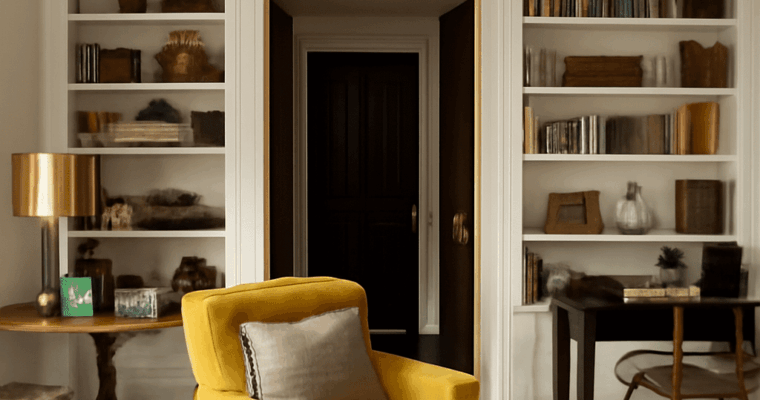
Explore the diverse types of interior design styles, current trends, and themes to transform your home. Stay updated with the latest home design trends and ideas.
Explore the diverse types of interior design styles, current trends, and themes to transform your home. Stay updated with the latest home design trends and ideas.
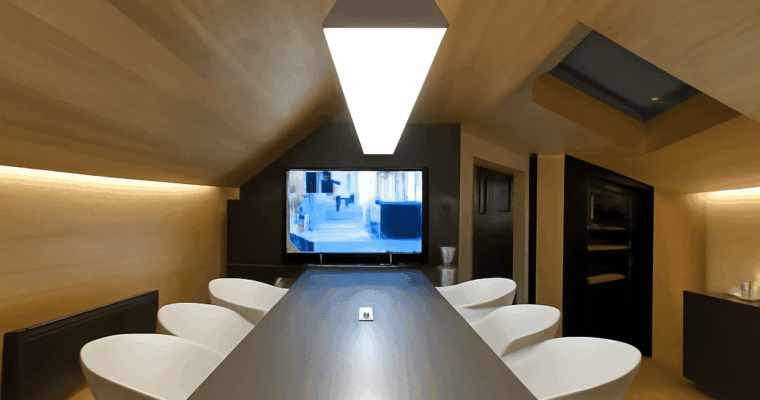
Architecture and the golden ratio meet in famous façade diagrams. Learn how measurements, original records, and later overlays reveal what a claim actually shows.

A man stands with his back to the viewer, his boots planted on dark rock while pale fog conceals the valleys ahead. In Caspar David Friedrich’s mountain scene, the meaning of the lone wanderer overlooking the mist begins with that exchange between a stable point of view and a landscape that refuses to become fully clear.
Painted around 1817, Wanderer Above the Sea of Fog is also known as Wanderer Over the Sea of Mist. The work invites a close look at how a figure, a viewpoint, and an assembled landscape create an experience of both proximity and distance.
The figure occupies the center of a vertical canvas, dressed in a dark coat and holding a walking stick. His head interrupts the skyline, and his body obscures part of the view. The rocky ledge brings him close to the viewer, but his face is hidden, so his expression cannot settle the mood for us.
Art historians use the German term Rückenfigur for a figure seen from behind. As Smarthistory’s discussion explains, Friedrich used this device in other works as well. Here the man gives the viewer a direction to look, while remaining a separate presence with a view we cannot quite share.
In Wanderer Above the Sea of Fog, meaning emerges from this tension: the visitor can imagine standing near the traveler, yet the traveler also blocks the center of the scene. The painting holds identification and distance together. His upright posture might suggest confidence, contemplation, or exposure; the hidden face leaves those responses open.
The nearest rocks are dark, angular, and substantial. Beyond them, lighter veils of mist cover the lower ground, while isolated peaks and tree-covered ridges rise through the white. The contrast makes the foreground seem solid and the landscape beyond it difficult to measure.
A Wanderer Above the Sea of Fog analysis begins with those changes in visibility. The eye moves from the man’s boots toward the scattered summits, but the fog interrupts any continuous route through the picture. Some ridges are sharply defined; distant forms dissolve into blue-gray air. Space feels expansive because the viewer can see across it, and uncertain because much of its terrain remains hidden.
Friedrich drew on observations of mountain formations in the Elbe Sandstone region, but assembled elements from different views. The landscape is therefore a composed image rather than a single photographic record of a particular overlook. That distinction helps explain why individual rocks feel precise while the whole scene has the coherence of an imagined experience.
Friedrich worked within German Romanticism, a movement that explored emotion, imagination, and the relationship between human beings and nature. Mountain scenery could evoke the sublime: an encounter with scale or power that inspires awe and may also carry a sense of danger. The traveler’s smallness before the distant ranges supports such a reading, even though his large silhouette also commands the composition.
In Wanderer Above the Sea of Fog, meaning can be found in the contrast between the figure’s apparent stillness and the immensity beyond him. A wanderer above a sea of mist might appear to survey the world from a position of mastery, yet the obscured valleys and precarious ledge complicate that impression. The view offers no clear path to the horizon.
The Hamburger Kunsthalle dates the oil painting to about 1817. Its Romantic setting makes awe, reflection, and uncertainty useful ideas for interpreting the scene, but it does not prove one private emotion in the figure or one fixed intention in the artist’s mind.
The sitter’s identity remains uncertain. Scholars have proposed several possibilities, including a traveler, an image related to the artist, and a figure associated with the period’s military dress. The face gives no identifying evidence, and a particular name should not be presented as established fact. The man’s clothing and walking stick, however, make him a specific painted presence rather than a featureless symbol.
The figure in Wanderer Over the Sea of Fog also raises a practical question for interpretation: is he arriving at a summit, pausing on a journey, or looking toward an unknown destination? The canvas supplies a posture and a view, not an account of what came before. Those visible choices support readings of solitude or exploration without deciding the narrative.
The meaning of Friedrich’s wanderer above the fog changes with the detail that receives attention. The sharply edged rock can emphasize physical risk; the open sky and successive ridges can suggest possibility. Mist can be read as a boundary to knowledge, while the fact that some peaks remain visible keeps discovery in the picture.
An analysis of Wanderer Above the Sea of Fog is strongest when it returns to those visual facts. The traveler’s back directs the gaze, his body partially interrupts it, and the painted atmosphere both reveals and hides the landscape. Together they make the meaning of the wanderer in the sea of fog an invitation to contemplate a view whose full extent remains beyond sight.
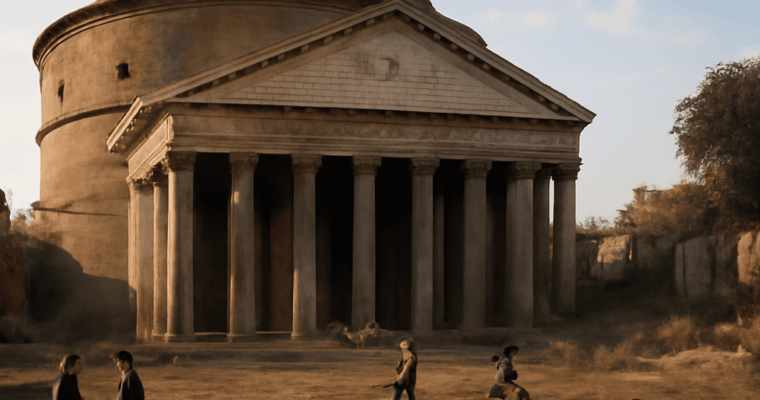
Uncover the history, architecture, and cultural significance of the Paris Pantheon, a stunning example of neoclassical design in the heart of Paris.

Discover the key features of Gothic Revival architecture and how it influences modern and neo-gothic styles with iconic examples and design elements.
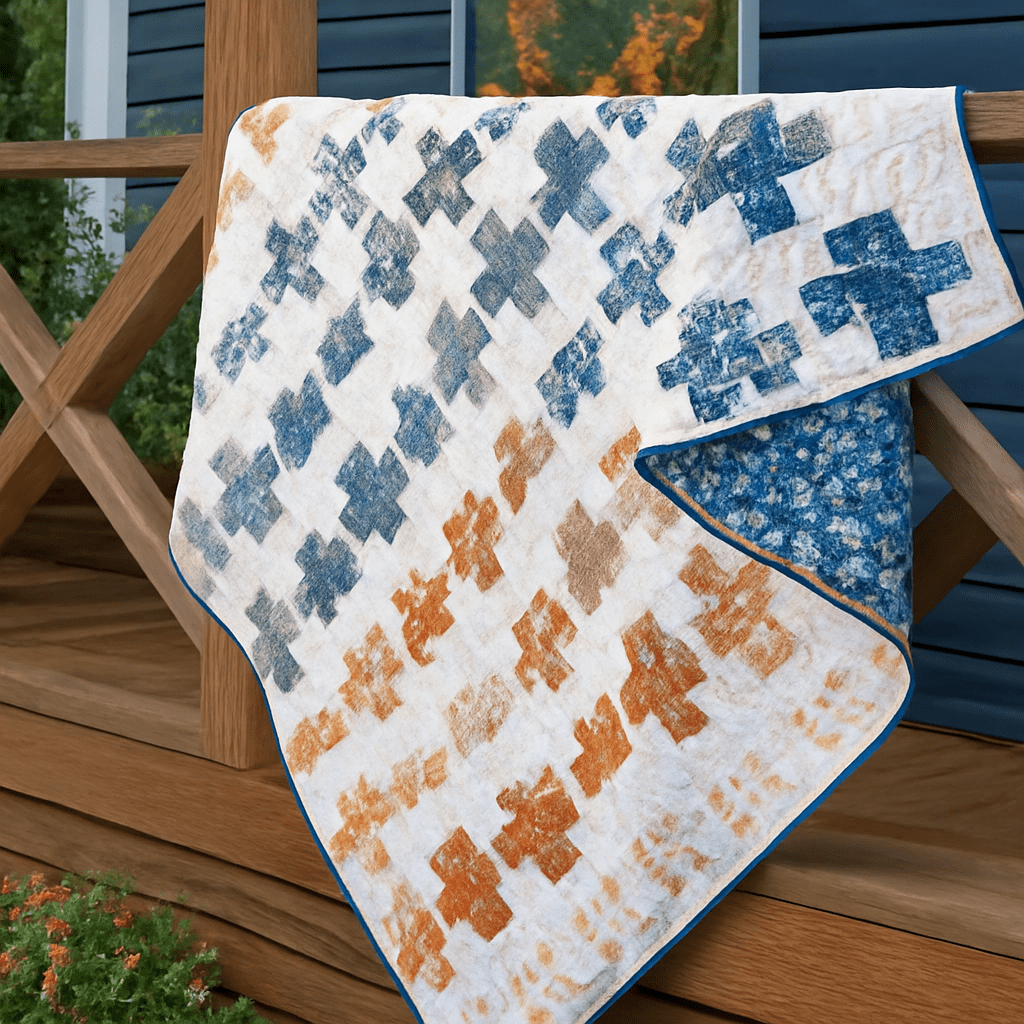
Jelly roll quilts are a fantastic way to create beautiful, intricate quilt designs using pre-cut fabric strips. These versatile quilt patterns are perfect for both beginners and experienced quilters. With the convenience of jelly rolls, you can make stunning quilts without the hassle of cutting fabric strips yourself. In this article, discover popular jelly roll quilt patterns, learn how to create your own, and get tips on selecting the best jelly roll fabrics for your project.
A jelly roll quilt is a type of quilt that utilizes pre-cut fabric strips known as jelly rolls. Each jelly roll typically contains 40 strips of fabric, each measuring 2.5 inches by the width of the fabric (usually 42-44 inches). These strips come rolled up in a cohesive collection of colors and patterns, making it easy to coordinate your quilt design. Jelly roll quilts are popular because they simplify the cutting process and allow quilters to focus on the creative aspects of quilting.
There are numerous patterns available that specifically use jelly rolls. Here are some popular options:
To create your own jelly roll quilt, start by selecting a pattern that suits your skill level and design preferences. Gather the following materials:
Follow these steps:
Choosing the right jelly roll fabric is crucial for a successful quilt. Here are some tips:
With these tips, you’re ready to dive into creating stunning quilt patterns using jelly rolls. Whether you’re making a gift or crafting a quilt for your home, jelly roll quilts offer endless possibilities for creative expression.
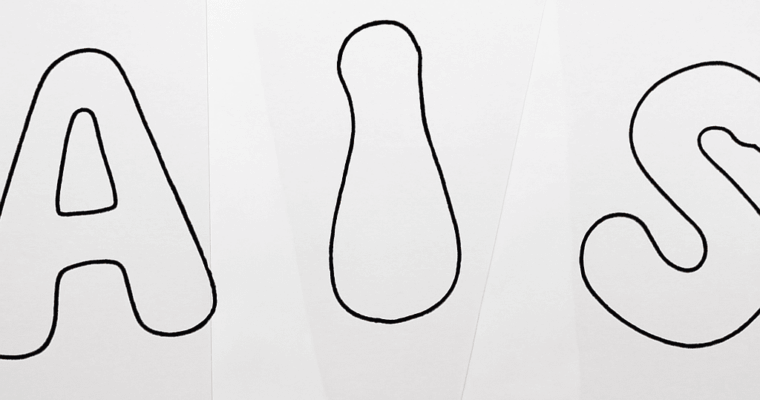
Explore how to create big bubble letters, use printable cut out letters for bulletin boards, and enhance your designs with outline letters.

The earliest paintings found in caves reveal animals, hands, and stories. Explore how their makers worked and how scientists discover the age of each image.
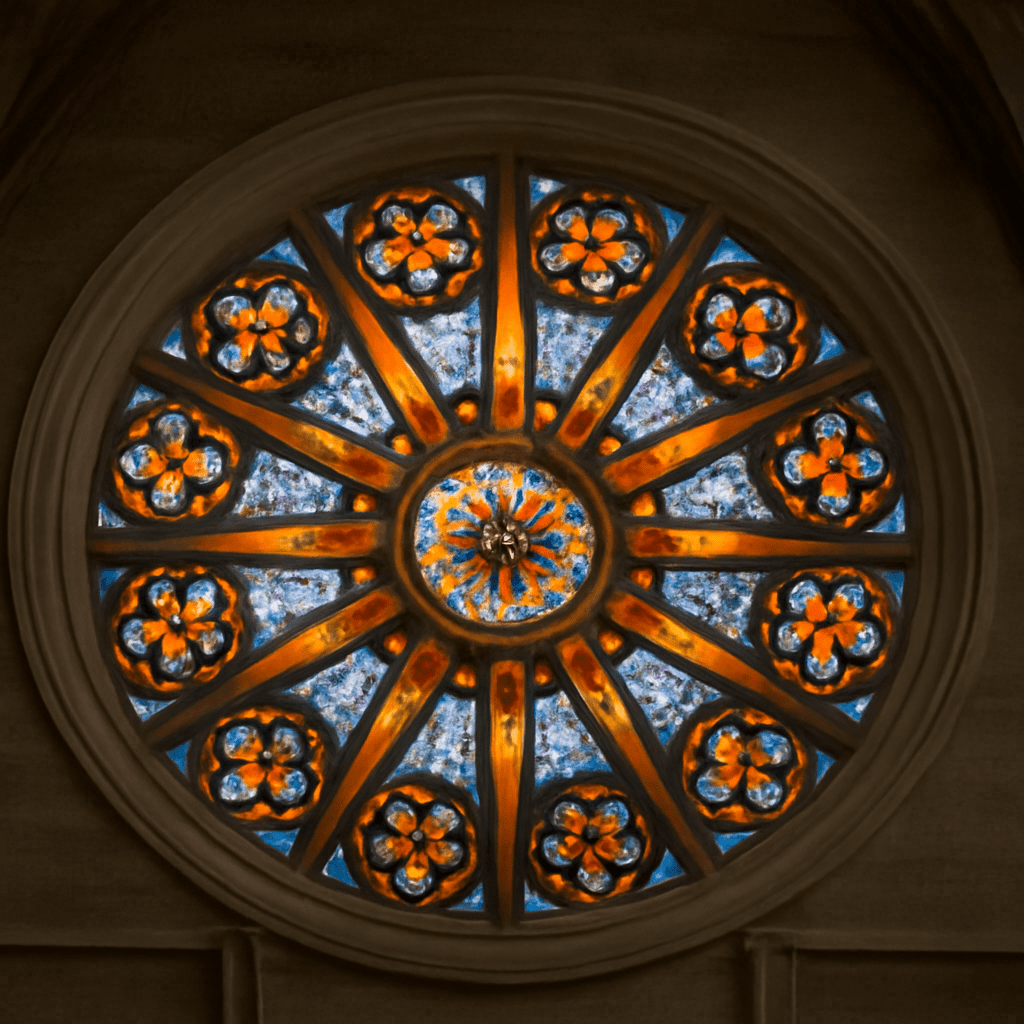
A rose-shaped cathedral window can look like a single luminous image from the floor below. Move closer, however, and the circle resolves into a carefully ordered structure: stone divisions frame small pieces of colored glass, while the building’s orientation determines how daylight reaches them.
At Notre-Dame in Paris, three great circular windows offer distinct ways to read that relationship. Their positions above the western entrance and across the transept make a walk through the church a lesson in scale, pattern, and changing light.
The first element to follow is the outer stone ring. Within it, slender stone members, known as tracery, divide the opening into smaller shapes. Some radiate from the center like spokes; others curve into lobes or rings. The design gives the eye a route through a complex surface, from a central medallion outward to the edge.
In rose-shaped windows, the stonework also provides a framework for the glazing. Individual pieces of colored glass are joined with strips of lead, or cames, into panels. Painted lines and shading add faces, folds of clothing, and other details; metal supports help hold the panels in place. Seen from inside, the dark lead lines make figures legible against the brighter glass, much as an outline organizes a drawing.
A rose window depends on the wall around it as well as the pieces within it. A broad opening must be accommodated in the masonry, so the circle belongs to a larger composition of arches, supports, and façade. From outside, the stone pattern is often easier to read; inside, transmitted daylight gives the glass its color and makes the imagery more prominent.
The west window sits above the main entrance. Completed around 1225, it is the smallest of the three great circles. On entering, a visitor can turn back toward the doors to see the circle within the architectural frame of the west wall. From the square outside, its place in the façade is clear, though the glass is less luminous than it appears from within. The Friends of Notre-Dame de Paris describes its position and date.
The north and south windows face each other across the transept, the crosswise arm of the church. Each is set high in an end wall, above a band of tall windows. Their height makes the circular outline visible across the interior, while the distance encourages the viewer to read the overall arrangement before searching for individual figures.
The Notre Dame Cathedral rose window on the north side centers on Mary and the Christ Child, surrounded by figures from the Old Testament. Notre Dame rose windows share a circular format, yet this northern example has retained almost all its original 13th-century stained glass, according to the Friends’ account of the glass. The tracery makes a sequence of compartments around the central image; the sequence can be followed even when the smaller faces are difficult to distinguish.
Across the crossing, the south window was a gift from King Louis IX. Its strong reds contrast with the blues associated with the northern glass. Light entering from different directions changes the apparent intensity of the colors through the day, and cloud cover can soften the contrast. The south window has also been extensively restored, including work in the 18th and 19th centuries, so its present appearance carries the history of those interventions.
The three great rose-shaped windows survived the 2019 fire, although survival did not mean that centuries of weathering disappeared. The Friends of Notre-Dame de Paris records the survival of the stained glass and describes the need to address accumulated damage. The north and south windows therefore invite comparison as works with different histories of preservation as well as different colors.
Begin at a distance where the whole opening fits comfortably into view. Notice whether the central figure is surrounded by one ring or several, and where the stone spokes meet the outer rim. Then look at a single compartment: its shape sets the boundaries of a scene, while lead lines organize the smaller pieces of glass within it.
Notre Dame cathedral’s rose windows reward a second look from the crossing, where the northern blue field can be seen in relation to the tall glazing below. From there, turn toward the southern glazing of Notre Dame Cathedral and compare the pattern of colored compartments across the space. These cathedral windows, shaped like roses, express the same architectural idea through two orientations and two histories of repair.
Finally, let the eye return to the stone rather than the figures. Trace one spoke from the center until it branches, and follow the curve it forms with its neighbors: that small junction shows how a large circle becomes a coherent pattern of individual glazed openings.

Discover a free octopus crochet pattern with easy-to-follow steps. Perfect for all skill levels, create a delightful crocheted octopus for your collection.