Understanding Muslim Architecture: Key Features and Influences
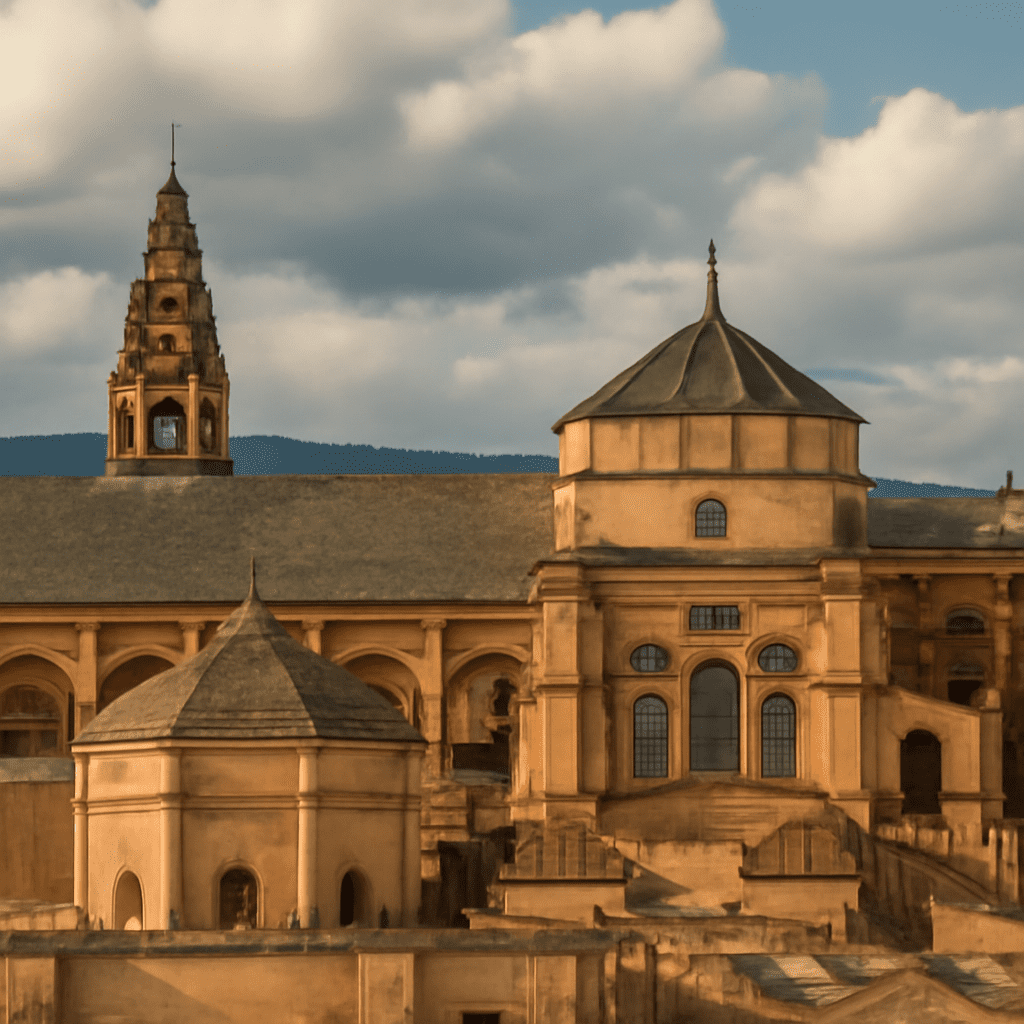
Muslim architecture is characterized by its rich blend of spiritual symbolism, regional adaptation, and technical innovation. Emerging in the 7th century and evolving across continents, it encompasses mosques, palaces, madrasahs, and other civic buildings. The influence of arabian architecture is especially foundational, shaping the earliest and most enduring principles of design and decoration across the Muslim world.
What Is Muslim Architecture?
Muslim architecture refers to the body of architectural styles developed in regions under Islamic rule or influence. It is not confined to a single geographic area; rather, it stretches from Spain and North Africa across the Middle East and Central Asia, reaching as far as India, Southeast Asia, and parts of Sub-Saharan Africa. The term encompasses both religious and secular buildings, but the mosque remains its most iconic example.
This architectural tradition first emerged in the Arabian Peninsula during and after the lifetime of Prophet Muhammad in the 7th century CE. As Islam spread, so did the architectural language of its places of worship and civic life. The core identity of muslim architecture lies in its integration of spiritual, functional, and aesthetic needs—providing places for prayer, gathering, learning, and governance. Its development was driven by a blend of local building traditions, technical advancements, and religious requirements, especially the emphasis on unity, direction, and communal space.
Distinct periods and dynasties—Umayyad, Abbasid, Fatimid, Mamluk, Ottoman, Safavid, Mughal, and others—each contributed unique approaches to scale, ornamentation, and structure. This diversity is unified by recurring design principles, materials, and motifs that serve both spiritual and social functions.
Core Features of Muslim Architecture
Several key elements consistently define muslim architecture, regardless of region or era. These features express both religious ideals and practical considerations, resulting in buildings that are both functional and deeply symbolic.
- Mihrab and Qibla Orientation: Every mosque features a mihrab (a niche in the wall) indicating the qibla, the direction of Mecca. This ensures worshippers are oriented towards the spiritual center of Islam during prayer.
- Minaret: Tall towers, often attached to mosques, serve as visual markers and functional platforms for the call to prayer. Their design varies from the simple square forms in North Africa to the slender, pencil-like structures in Ottoman Turkey.
- Large Courtyards (Sahn): Open courtyards accommodate communal worship and social interaction, reflecting both Arabian precedents and the need for climate adaptation.
- Domes and Vaulted Spaces: Domes symbolize the vault of heaven and are often placed above the main prayer hall. Innovative structural solutions, like squinches and pendentives, allow circular domes to rest on square rooms.
- Ornamentation: Decoration avoids human and animal representations, focusing instead on intricate geometric patterns, arabesques, floral motifs, and calligraphy from the Quran. This reflects the Islamic emphasis on divine unity and infinite creation.
Other common features include iwans (vaulted halls with open ends, particularly in Persian and Mughal architecture), mashrabiya (projecting wooden windows with latticework, seen in Egyptian and Syrian contexts), and elaborate tilework or stucco carving. The overall effect is one of unity, repetition, and visual rhythm, fostering contemplation and community.
Materials vary by region but often include brick, stone, plaster, glazed tiles, and carved wood. The use of light—filtered through screens or colored glass—is another hallmark, creating an atmosphere of serenity and transcendence.
Influence of Arabian Architecture
Arabian architecture forms the foundation of muslim architecture, setting essential spatial, structural, and decorative precedents. Pre-Islamic Arabian buildings were primarily constructed from mudbrick, stone, and wood, designed to suit harsh desert climates. These techniques were refined and spiritualized in early Islamic buildings.
The Prophet’s Mosque in Medina, built during Muhammad’s lifetime, established the prototype for mosque design: a simple rectangular enclosure with a shaded area for prayer and an open courtyard. This basic template, rooted in arabian architecture, was adapted and monumentalized as Islam expanded. The use of arcades, hypostyle halls (rows of columns supporting a flat roof), and shaded colonnades can all be traced back to Arabian precedent.
Arabian influence is also seen in the development of minarets, which evolved from earlier desert watchtowers and lighthouses, as well as in the preference for courtyards and gardens as oases of tranquility and community. The arched doorway, a staple in Arabian buildings, became a central architectural element across the Muslim world, evolving into pointed and horseshoe forms in later periods.
As Muslims came into contact with Byzantine, Persian, and later Indian and Andalusian cultures, these Arabian foundations were blended with new forms and techniques. Nevertheless, the spiritual and functional imperatives of Arabian architecture—simplicity, climate adaptation, communal space—remained central to the evolving muslim architectural identity.
Notable Examples of Muslim Architecture Worldwide
Muslim architecture’s diversity is best illustrated by its most celebrated monuments, each reflecting both local conditions and shared principles. Here are some globally recognized examples:
- The Great Mosque of Córdoba (Spain): Famous for its forest of red-and-white double arches and expansive hypostyle hall, it showcases the adaptation of muslim architecture to Iberian traditions.
- The Dome of the Rock (Jerusalem): One of the earliest surviving Islamic buildings, it features a striking golden dome and intricate mosaics, blending Byzantine artistry with Arabian spatial organization.
- Sultan Ahmed Mosque (Blue Mosque, Istanbul): This Ottoman masterpiece combines grand domes, semi-domes, and six minarets with dazzling blue tilework, representing the zenith of classical Ottoman style.
- Taj Mahal (Agra, India): Though a mausoleum, it epitomizes the refined synthesis of Persian, Indian, and Islamic design, with its iconic marble dome, symmetrical gardens, and calligraphic decoration.
- Alhambra (Granada, Spain): A palace and fortress complex renowned for its muqarnas vaults, intricate stucco, and lush courtyards, it demonstrates the sophisticated aesthetics of Nasrid Muslim rulers.
Other remarkable examples include the Friday Mosque of Isfahan (Iran), the Great Mosque of Samarra (Iraq), and the Hassan II Mosque (Morocco), each showcasing regional variations yet adhering to the core tenets of muslim architecture.
Lasting Impact on Global Architectural Styles
Muslim architecture has exerted a profound influence on architectural development far beyond the borders of Islamic societies. Early European Gothic architecture borrowed the pointed arch and ribbed vault from earlier Islamic precedents seen in Spain and Sicily. Renaissance and Baroque architects incorporated arabesque ornament, domes, and courtyards into royal palaces and public buildings.
In modern times, motifs and principles from muslim architecture have inspired architects worldwide in the design of museums, civic centers, and even private homes. The emphasis on geometric order, calligraphy, and filtered light found in traditional Islamic spaces resonates with contemporary design trends that value minimalism and sensory experience.
Arabian architecture’s enduring legacy is its ability to adapt to different climates, cultures, and needs while maintaining a coherent spiritual and communal philosophy. Today, restoration and reinterpretation of classic muslim architecture continue to inform urban planning, landscape design, and architectural innovation from Morocco to Malaysia and beyond.