Creating Your Own Purse Patterns: A Step-by-Step Guide
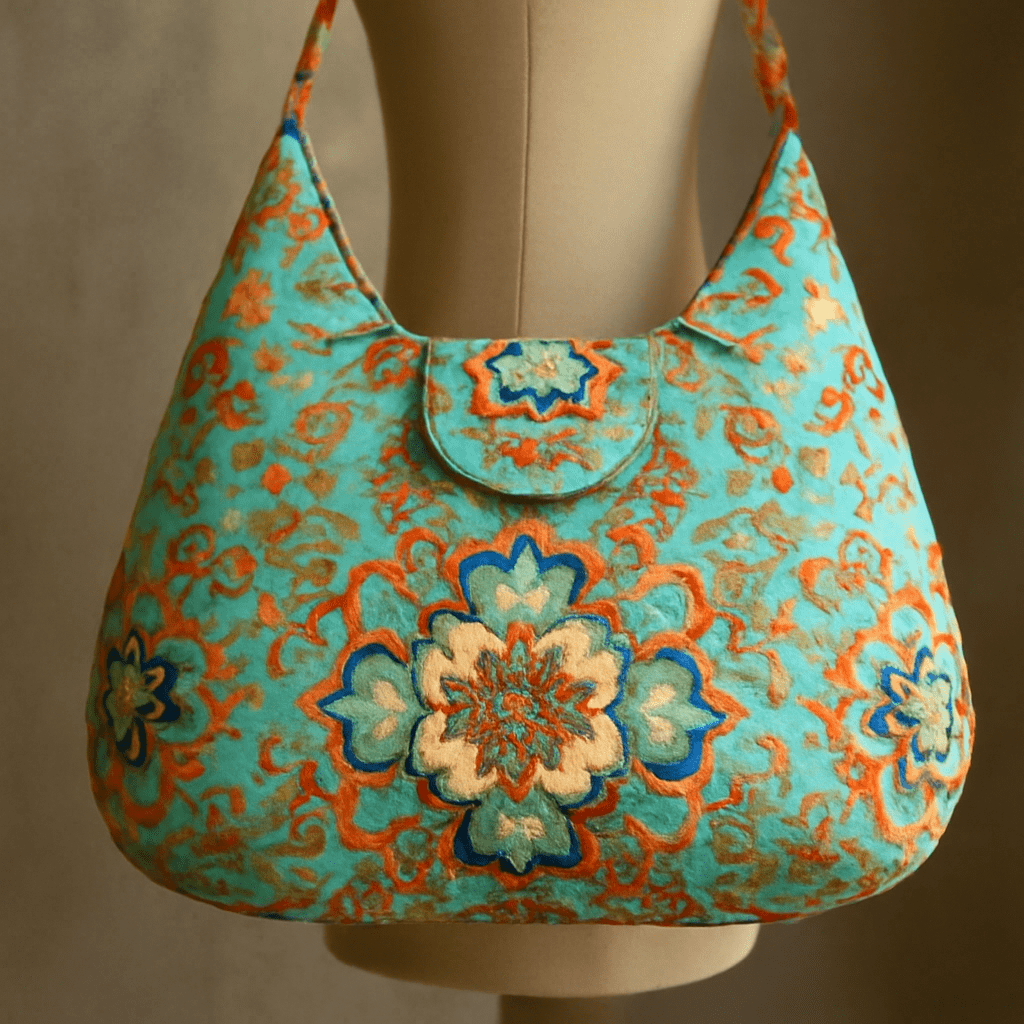
Creating your own purse can be a rewarding and personal endeavor, allowing you to tailor the design and functionality to your exact preferences. This guide will walk you through the essentials of creating purse patterns, selecting materials, and sewing techniques to help you craft a stylish and unique bag.
Introduction to Purse Patterns
Purse patterns are templates or blueprints that guide the design and construction of a purse. These patterns can range from simple shapes for beginners to intricate designs for advanced crafters. Understanding the basic components of a purse pattern is crucial to successfully creating a functional and fashionable accessory.
Essential Materials for Purse Sewing
Before diving into the creation of a purse, gather the following essential materials:
- Fabric: Choose durable fabrics like cotton, canvas, or leather, depending on the desired style and use of the purse.
- Interfacing: This material adds structure and sturdiness to the fabric, ensuring the purse holds its shape.
- Thread: Use a high-quality thread that matches the fabric for a neat finish.
- Closure: Select zippers, buttons, or magnetic snaps based on the purse design.
- Additional Hardware: Consider straps, buckles, and rings to enhance functionality and style.
- Sewing Tools: Equip yourself with scissors, a sewing machine, needles, pins, and a measuring tape.
Step-by-Step Guide to Creating a Purse Pattern
- Design Your Purse: Start by sketching the desired shape and size of your purse. Consider features like pockets, straps, and closures.
- Create a Pattern: Transfer your design onto pattern paper. Use measurements to outline each component such as the body, lining, and pockets.
- Cut the Fabric: Lay the pattern pieces on your chosen fabric and cut them out, leaving seam allowances as specified in the pattern.
- Assemble the Pieces: Begin by sewing smaller components like pockets and attaching them to the main body pieces. Follow with assembling the main sections of the purse.
- Add Interfacing: Attach interfacing to the main fabric pieces to strengthen areas that require more support.
- Attach the Closure: Sew in zippers, buttons, or other closure types, ensuring they align correctly with the purse opening.
- Join Lining and Outer Fabric: Sew the lining and the outer fabric together, leaving an opening for turning the purse right-side out.
- Finish the Edges: After turning the purse, finish by sewing the opening closed and reinforcing any stress points.
Sewing Techniques for Bags
Mastering various sewing techniques can elevate your purse-making skills:
- Topstitching: This technique adds decorative details and reinforces seams.
- Boxing Corners: Creates a flat base for the purse, enhancing its shape and stability.
- Inserting Zippers: Practice zipper installation for a professional look and easy use.
Tips for Customizing Your Purse
To make your purse truly unique, consider these customization tips:
- Embellishments: Add beads, embroidery, or patches for a personalized touch.
- Color Coordination: Use contrasting fabrics and threads to create visual interest.
- Functional Features: Customize the number and placement of pockets according to your needs.
- Size Adjustments: Modify the pattern dimensions to create different sizes for various occasions.
By understanding purse patterns and utilizing these sewing techniques and tips, you can create a custom-made purse that reflects your style and meets your functional needs. Happy sewing!