Creative Business Card Examples and Layout Tips
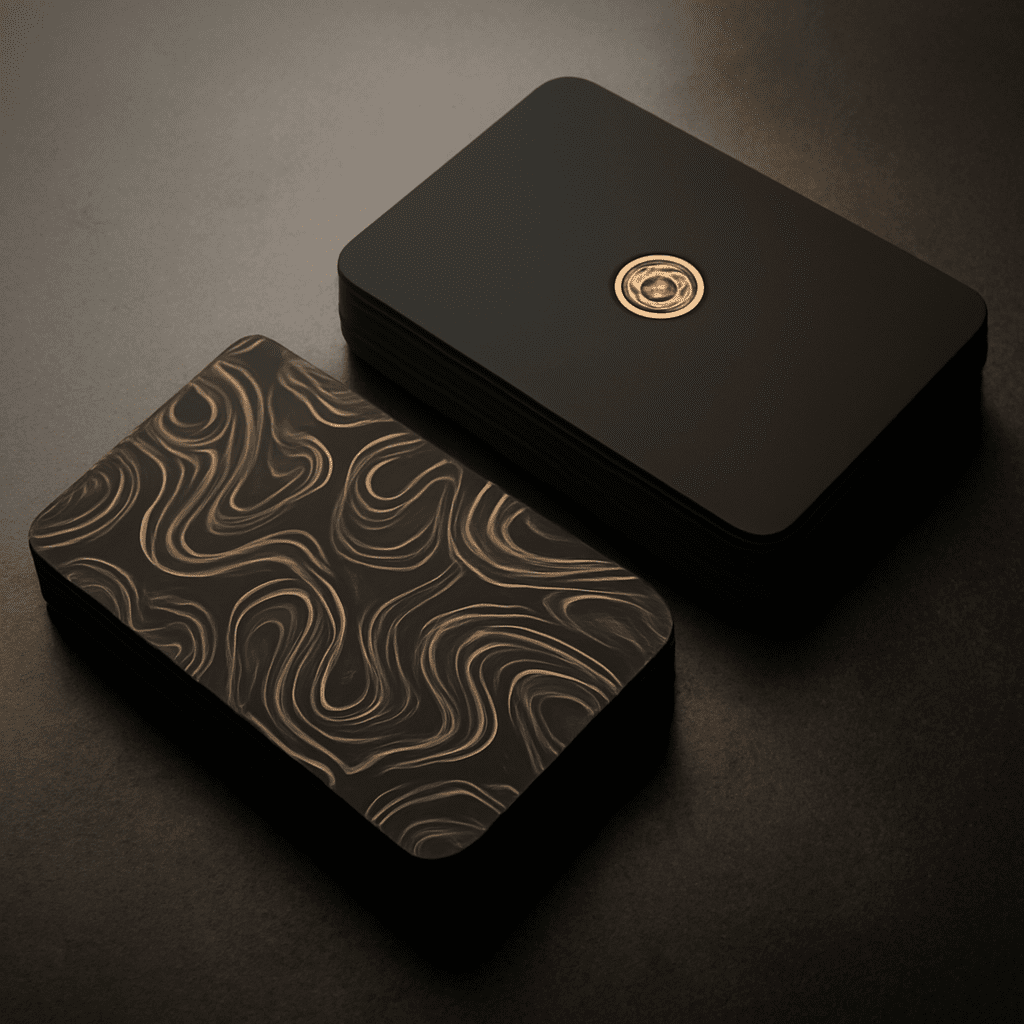
In the world of fashion and design, first impressions are paramount. A creatively designed business card can make a lasting impact, setting you apart from the crowd. This article delves into inspiring business card examples and offers expert tips for curating an effective business card layout. Whether you’re an established designer or just starting, these insights will help you create a card that truly represents your brand.
Why Business Cards Matter in Fashion & Design
In the fast-paced fashion and design industry, networking is key to success. A business card serves as a tangible representation of your brand and is often the first point of contact with potential clients or collaborators. It encapsulates your style, ethos, and professionalism in a compact format, making it a crucial tool for establishing connections and showcasing your aesthetic prowess.
Inspirational Business Card Examples
Finding the right inspiration can transform your business card from ordinary to extraordinary. Here are some standout examples:
- Minimalist Elegance: A card featuring clean lines and a simple color palette, such as black and white or pastels, exudes sophistication. This style is perfect for brands emphasizing elegance and subtlety.
- Bold and Colorful: Vibrant hues and playful designs attract attention and convey a sense of creativity. Ideal for brands known for their bold statements and dynamic energy.
- Textured and Tactile: Incorporating textures like embossing or letterpress printing adds a tactile dimension, making the card memorable. This approach suits luxury brands aiming for a high-end feel.
- Eco-friendly Materials: Using recycled or sustainable materials speaks to eco-conscious values, resonating with brands prioritizing environmental responsibility.
- Interactive Designs: Cards that fold, have detachable elements, or include QR codes engage the recipient, adding an element of surprise and modernity.
Key Elements of an Effective Business Card Layout
An effective business card layout integrates essential information with design elements that reflect your brand identity. Here are the key components to consider:
- Logo: Position your logo prominently as it’s often the first thing people notice. Ensure it’s clear and reflective of your brand’s essence.
- Contact Information: Include your name, job title, phone number, email, and website. Keep the font readable and the layout uncluttered.
- Typography: Choose fonts that align with your brand’s style. Consistency in font size and type enhances readability.
- Color Scheme: Use colors that complement your brand identity. Stick to a cohesive palette to maintain a professional appearance.
- Whitespace: Don’t be afraid of whitespace; it helps balance the design and makes information more digestible.
- Size and Shape: While standard sizes are common, experimenting with unique shapes can make your card more memorable.
Tips for Designing Your Own Business Card
Creating a business card that stands out requires thoughtfulness in design and practicality in function. Here are some tips to guide you:
- Understand Your Brand: Clearly define your brand’s identity and values before starting the design. Your card should be a miniature ambassador of your brand.
- Prioritize Legibility: Ensure all text is easy to read. Avoid overly ornate fonts that might detract from clarity.
- Choose Quality Materials: Invest in high-quality paper or materials; it reflects the professionalism and quality of your brand.
- Consider Usability: Think about how your card will be stored and used by recipients. A practical design ensures it remains handy and useful.
- Test Before Printing: Print a test batch to evaluate the design. Check colors, alignment, and overall appearance thoroughly before committing to a larger print run.
- Stay Updated: The design industry evolves rapidly. Keep an eye on trends to ensure your card remains relevant and modern.
By integrating these elements and tips, you can create a business card that not only communicates your contact information but also leaves a lasting impression in the competitive world of fashion and design.